
Explore Eyelash Hair Transplant in Dubai at Our Clinic
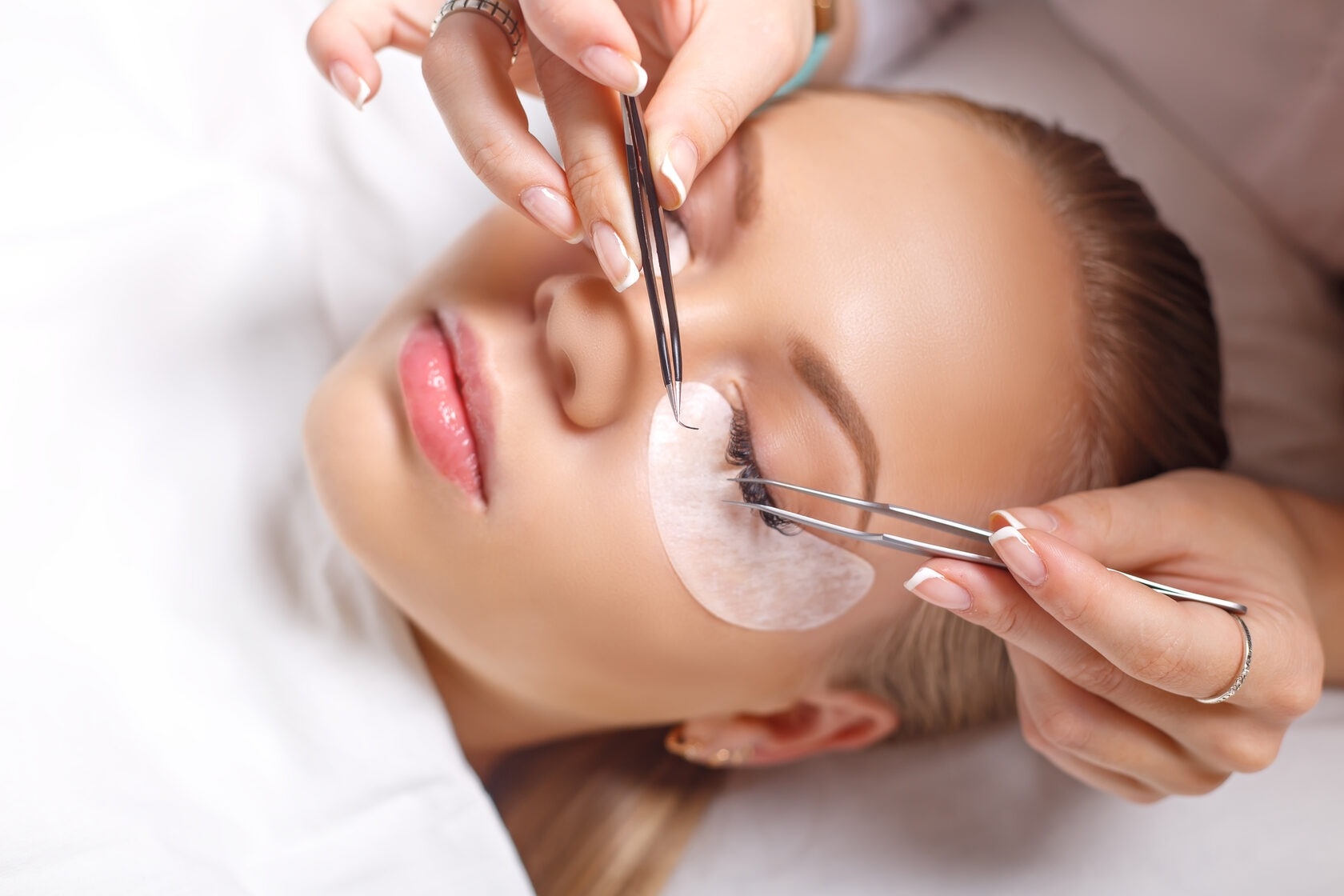
Eyelashes play an important role in facial appearance, helping frame the eyes and create a balanced, defined look. However, naturally sparse lashes, hair loss caused by trauma, previous cosmetic procedures, or certain medical conditions can affect their density and length. For individuals seeking a longer-lasting approach to improving eyelash fullness, surgical restoration may be worth exploring. An Eyelash Hair Transplant in Dubai involves transferring hair follicles, usually from the scalp, to the eyelid margin to create a fuller lash line.
Unlike temporary solutions such as mascara, lash extensions, or serums, transplantation aims to introduce growing hair follicles into areas where natural lashes are limited or absent. Nevertheless, the procedure requires careful planning because the eyelid is a delicate anatomical area. The direction, angle, spacing, and placement of each follicle influence the appearance of the final result. Transplanted hairs may also retain characteristics of scalp hair, meaning they can require regular trimming and grooming.
Dubai offers access to a range of aesthetic clinics and specialist healthcare facilities where patients can explore options for eyelash restoration. Choosing an appropriate provider involves more than comparing prices or reviewing photographs. Patients should understand the surgeon's experience, the suitability of their eyelid anatomy, possible complications, and the commitment required after surgery.
A professional consultation helps determine whether transplantation is appropriate or whether non-surgical alternatives may better address the underlying concern. The objective is to develop an individual treatment plan that prioritizes eyelid health, natural-looking growth, and realistic expectations.
Understanding Eyelash Hair Transplantation
Eyelash transplantation is a specialized hair restoration procedure designed to improve lash density by relocating individual follicles. It may be considered by people with naturally thin eyelashes, permanent lash loss, or gaps caused by scarring, depending on the underlying condition and the availability of suitable donor hair.
The procedure generally involves extracting fine hair follicles from a donor area, commonly the scalp, and implanting them along the upper or lower eyelid margin as appropriate. Because eyelashes grow at specific angles and follow a natural direction, precise placement is essential.
Recovery varies between individuals. Temporary swelling, redness, tenderness, and crusting may occur, while the transplanted hairs can shed before new growth begins. Visible improvement develops gradually over several months, and the final appearance depends on follicle survival, healing, hair characteristics, and aftercare.
Clinics and Healthcare Providers to Consider
Dynamic Life Clinic
Dynamic Life Clinic is an aesthetic healthcare provider in Dubai that patients may consider when exploring cosmetic treatment options. Individuals interested in eyelash restoration should ask whether the clinic currently offers surgical eyelash transplantation or provides consultations for appropriate alternatives.
During an assessment, patients should discuss their desired lash density, existing eyelash condition, medical history, and suitability for treatment. It is also important to establish who performs the procedure, what specialist qualifications they hold, and how postoperative concerns are managed.
Enfield Royal Clinic
Enfield Royal Clinic is an aesthetic clinic that patients may consider when researching personalized cosmetic treatment options in Dubai. Those exploring Eyelash Hair Transplant in Dubai should arrange a consultation to establish whether the procedure is available and suitable for their individual needs.
A detailed assessment should examine the current lash pattern, donor hair characteristics, eyelid health, and expectations regarding fullness and direction. Patients should also ask about the practitioner's specific experience with eyelash transplantation, the implantation method used, and the precautions taken to protect the eyes.
Before proceeding, prospective patients should receive a clear explanation of the treatment plan, recovery process, potential complications, and follow-up arrangements. Understanding these details can help them make an informed decision rather than relying solely on promotional images or general claims about cosmetic results.
Emirates Hospital
Emirates Hospital is an established healthcare provider in Dubai offering medical services across various specialties. Patients considering eyelash restoration can inquire about relevant specialist services and whether an appropriate surgical consultation is available.
A hospital-based assessment may be particularly relevant for individuals whose eyelash loss is associated with an underlying medical concern, previous surgery, or injury. Determining the cause of hair loss before considering transplantation can help prevent an unsuitable treatment choice.
Patients should confirm the availability of the specific procedure, the responsible surgeon's qualifications, and the arrangements for postoperative care before making a booking.
Cocoona Clinic
Cocoona Clinic is associated with cosmetic and aesthetic care in Dubai. People researching eyelash enhancement can contact the clinic to determine whether it currently offers this particular procedure or can direct them to an appropriately qualified specialist.
A useful consultation should distinguish between temporary lash enhancement and surgical follicle transplantation. Patients should also ask how the treatment plan would account for their natural eyelash direction, donor hair supply, and preferred appearance.
For anyone comparing providers, clear information about risks, expected growth, maintenance requirements, and total treatment costs is more useful than relying on general descriptions of cosmetic services.
King’s College Hospital London Dubai
King’s College Hospital London Dubai provides healthcare services across a range of medical specialties. Patients experiencing eyelash loss alongside eyelid irritation, inflammation, scarring, or other eye-related symptoms may benefit from an appropriate medical assessment before pursuing a cosmetic procedure.
The underlying cause of lash loss should be identified whenever possible. Conditions affecting the eyelid or hair follicles may require treatment before transplantation can be considered.
Patients should contact the hospital directly to confirm whether eyelash transplantation or a relevant specialist referral is available. They should also clarify which clinician would evaluate their condition and whether additional ophthalmic or dermatological assessment is necessary.
Tajmeels Clinic
Tajmeels Clinic is another aesthetic provider patients may wish to contact when researching cosmetic services in Dubai. Anyone considering eyelash transplantation should verify whether the clinic offers the procedure and whether its practitioners have specific experience with follicular implantation along the eyelid margin.
During a consultation, patients can ask about the suitability of their donor hair, the anticipated number of grafts, and how the practitioner plans to achieve a natural-looking lash line. They should also understand the likelihood of needing ongoing trimming and the possibility of additional treatment.
Verifying the exact service and the qualifications of the practitioner is essential before committing to surgery.
Dubai Cosmetic Surgery Clinic
Dubai Cosmetic Surgery Clinic is a provider patients may investigate when comparing cosmetic surgery services in the region. Prospective patients should confirm whether eyelash transplantation is among its current offerings and whether a surgeon with relevant experience performs the procedure.
An appropriate assessment should cover the patient's medical history, previous eyelid procedures, existing lash density, and expectations. Patients should receive information about anesthesia, recovery, potential complications, and the timeline for visible growth.
When comparing providers, the quality of the clinical assessment and the clarity of the proposed treatment plan should take priority over convenience or advertised prices.
Al Zahra Hospital Dubai
Al Zahra Hospital Dubai offers a range of healthcare services and may be relevant to patients who need a medical evaluation before pursuing eyelash restoration. Individuals with unexplained lash loss, persistent eyelid symptoms, or a history of injury should consider obtaining an appropriate clinical assessment.
Before choosing surgery, it is important to establish whether the follicles have been permanently lost and whether the eyelid tissue can safely support transplantation. Patients should contact the hospital to confirm the availability of relevant specialists and the specific procedure.
A careful evaluation can help distinguish between conditions that require medical treatment and cases in which surgical restoration may be appropriate.
How to Choose the Right Clinic for Eyelash Hair Transplant in Dubai
Selecting a provider requires careful consideration of clinical expertise, surgical planning, safety measures, and the level of support available after treatment. The following factors can help patients compare their options.
Experience and Qualifications
Eyelash transplantation requires specialized knowledge of hair restoration and eyelid anatomy. Patients should verify the surgeon's qualifications, professional licensing, and experience performing this specific procedure.
Ask how frequently the practitioner performs eyelash transplantation and whether they can explain their approach to achieving appropriate hair direction and spacing. Experience with scalp transplantation alone does not necessarily establish expertise in eyelid procedures.
Technology and Techniques
Different hair extraction and implantation methods may be used depending on the patient's anatomy, donor hair, and the surgeon's approach. The selected technique should be explained clearly, including its limitations and suitability for delicate eyelid tissue.
Ask how follicles are handled during extraction and placement, how implantation angles are determined, and what measures are taken to minimize trauma. No particular technique guarantees successful growth or a specific cosmetic outcome.
Safety Standards
Because the procedure takes place close to the eyes, safety should be a primary consideration. The provider should explain infection-control practices, anesthesia arrangements, and precautions designed to protect the eye and surrounding structures.
Potential complications include infection, bleeding, swelling, scarring, poor graft survival, unnatural hair direction, and injury to nearby structures. Patients should understand when to seek urgent medical attention if symptoms develop after surgery.
Consultation Process
A comprehensive consultation should establish the cause of lash loss and determine whether surgery is appropriate. The clinician should review medical conditions, medications, allergies, previous procedures, and any history of eyelid disease.
Patients should receive an individualized treatment plan that explains the proposed graft number, donor area, expected growth timeline, costs, and alternatives. A responsible practitioner should be willing to advise against surgery when the risks outweigh the likely benefits.
Patient Experience and Aftercare
Postoperative care is an important part of the treatment process. Patients should know how to clean the treated area, when normal activities can resume, and which products or cosmetic procedures must be avoided during healing.
Ask whether follow-up appointments are included and how complications or concerns are handled. Clear instructions and accessible clinical support can make recovery easier to manage.
Expected Results and Maintenance
Transplanted follicles may shed their initial hairs before new growth appears. Results generally develop over several months, and the final density cannot be predicted with complete certainty.
Because donor follicles often retain scalp-hair characteristics, transplanted lashes may grow longer than natural eyelashes and require regular trimming. Patients should also understand that some grafts may not survive and that additional treatment may sometimes be considered.
Before-and-after photographs can help illustrate a surgeon's work, but patients should confirm that the examples are genuine, relevant to eyelash transplantation, and representative of outcomes rather than guaranteed results.
Frequently Asked Questions
What is an eyelash hair transplant?
An eyelash hair transplant is a surgical procedure in which hair follicles, usually taken from the scalp, are transferred to the eyelid margin to improve eyelash density. It is generally considered for selected cases of sparse or permanently lost lashes after a suitability assessment.
How long does it take to see results?
Initial healing takes place over the first few weeks, although the timeline varies. Transplanted hairs may shed initially, with new growth appearing over subsequent months. The final appearance often takes several months to assess and depends on graft survival and individual healing.
Is eyelash transplantation permanent?
Transplanted follicles can continue producing hair for many years, but the outcome is not guaranteed. Some grafts may fail to grow, and transplanted hairs may need regular trimming because they can retain the growth characteristics of scalp hair.
Is the procedure safe?
Eyelash transplantation can involve risks, including infection, scarring, graft failure, abnormal hair direction, and injury to the eyelid or eye. Safety depends on patient selection, surgical expertise, sterile technique, and appropriate postoperative care. A qualified practitioner should explain the risks before treatment.
How can I choose a provider in Dubai?
Compare practitioner qualifications, specific eyelash-transplant experience, safety protocols, consultation quality, and follow-up arrangements. Confirm that the procedure is currently offered, ask about the full cost, and request realistic information about possible results and complications before making a decision.
Conclusion
Eyelash transplantation may offer a long-term option for individuals seeking greater lash density, particularly when natural eyelashes have been permanently lost. However, its suitability depends on the cause of hair loss, eyelid health, donor hair availability, and realistic expectations about growth and maintenance. Careful research and a specialist assessment are essential before proceeding.
When exploring Eyelash Hair Transplant, patients should compare providers based on clinical expertise, transparent communication, safety standards, and access to postoperative care. Enfield Royal Clinic and the other healthcare providers discussed in this guide can be contacted to verify their current services and consultation options. Ultimately, the right decision should be based on an individualized medical assessment and a clear understanding of the potential benefits, limitations, and risks of treatment.

 English
 Arabic
 French
 Spanish
 Portuguese
 Deutsch
 Turkish
 Dutch
 Italiano
 Russian
 Portuguese (Brazil)
 Greek
