
Understanding AC Brushless Motor Technology for Industrial Equipment
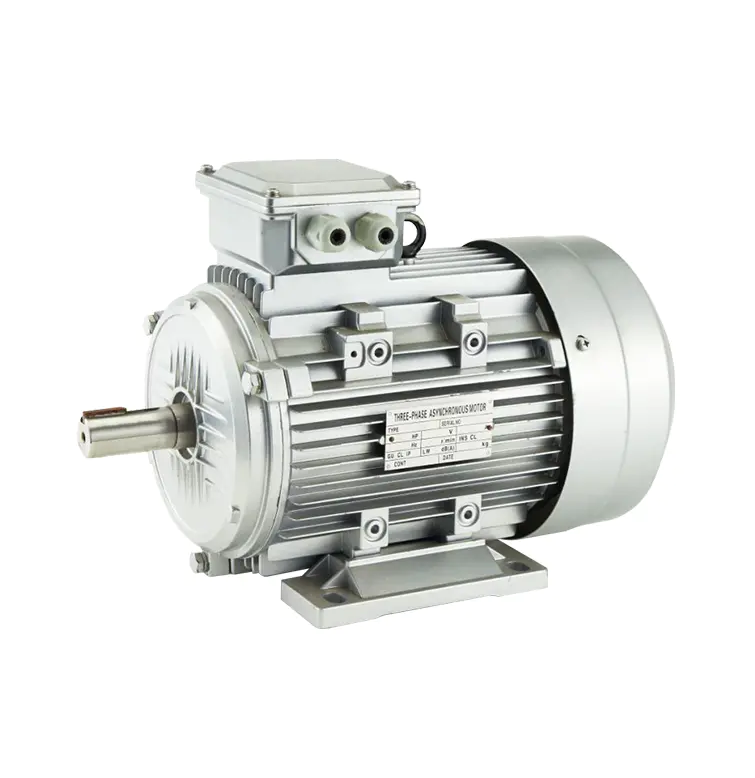
An AC Brushless Motor is designed to convert electrical energy into mechanical motion without relying on traditional brushes for commutation. This structure can reduce brush-related wear and help equipment operate with less routine maintenance. It is used in various applications where stable rotation, controlled operation, and service life are important considerations. For industrial users, understanding how the motor works helps when selecting equipment for a particular operating environment.
Unlike brushed motor designs, a brushless motor uses electronic control to manage current switching. The controller coordinates the magnetic field and rotor movement, allowing the motor to respond to different operating demands. Depending on the design, an AC Brushless Motor may offer smooth speed adjustment and consistent torque during operation. These characteristics are useful for machinery that needs to run for extended periods or change speed during different production stages.
Motor structure also affects performance. The stator contains windings that generate a rotating magnetic field, while the rotor follows this field to produce mechanical movement. Permanent magnets or other rotor configurations may be used depending on the motor type. Cooling channels, insulation materials, bearings, and housing design all influence operating temperature and mechanical stability.
In manufacturing environments, these motors can support pumps, fans, conveyors, automated production equipment, and selected processing machines. Each application has different requirements for starting torque, rotational speed, load variation, and duty cycle. A motor intended for continuous operation should be evaluated differently from one used for intermittent movement. Matching electrical ratings with actual working conditions helps prevent unnecessary energy consumption and premature component wear.
Control compatibility is another important factor. Some systems require variable speed operation, while others run at a relatively fixed speed. The controller should match the motor's voltage, current, feedback method, and control requirements. Incorrect matching can lead to unstable operation, excessive heating, or unexpected shutdowns.
Maintenance planning remains necessary even when brushes are absent. Bearings, electrical connections, cooling passages, and insulation still require appropriate inspection. Dust, moisture, vibration, and temperature changes may affect the motor and its controller over time.
When evaluating an AC Brushless Motor, industrial users should consider installation space, operating load, environmental conditions, control functions, and maintenance access. A suitable design can support reliable equipment operation while helping businesses manage routine servicing and production requirements.
https://www.acasynchronousmotor.com/product/

 English
 Arabic
 French
 Spanish
 Portuguese
 Deutsch
 Turkish
 Dutch
 Russian
 Romaian
 Portuguese (Brazil)
 Greek
