
Cast Steel Ball Valve Selection for Demanding Industrial Conditions
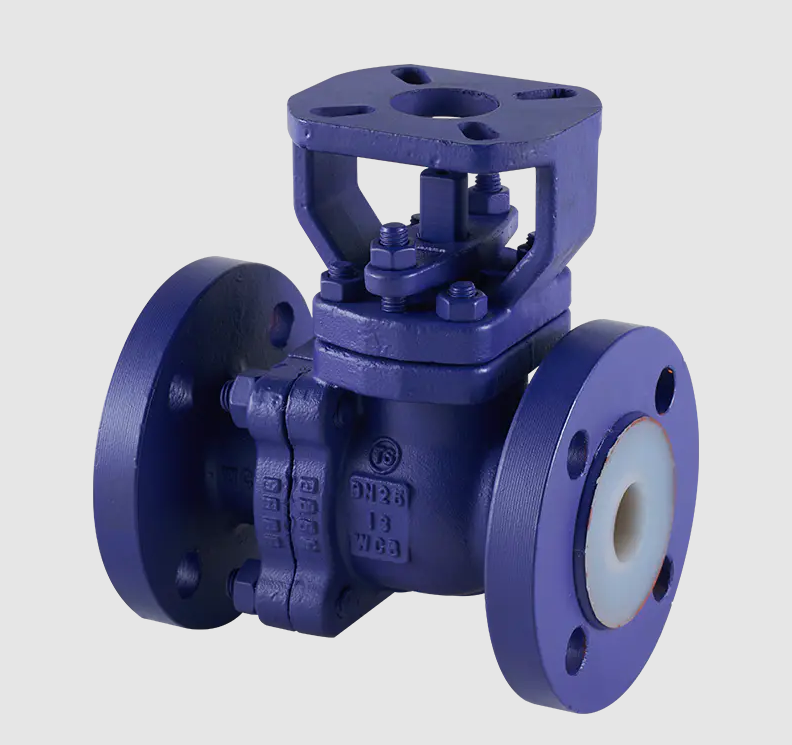
A Cast Steel Ball Valve provides a practical way to control fluid movement in pipelines across various industrial sectors. Its quarter-turn operating mechanism allows the valve to move between open and closed positions with a relatively simple action. This design is useful in facilities where equipment isolation, maintenance planning, and process control are part of everyday operations.
The valve body is manufactured from cast steel, with the specific grade selected according to the pressure, temperature, and chemical characteristics of the application. Different grades offer different mechanical and corrosion-related properties, so the material specification should be reviewed before a valve is installed. The correct selection helps ensure that the valve can withstand the stresses expected during normal operation.
In oil and gas processing, cast steel ball valves may be installed in transfer lines, storage systems, and process equipment connections. Water treatment facilities can also use them to isolate sections of a distribution or treatment system. In chemical plants, the suitability of each valve depends on whether the body, ball, seats, and seals are compatible with the substances being handled.
Sealing performance deserves careful attention. A ball valve may use soft seats or metal seats, depending on the design and operating requirements. Soft-seated models are commonly used where tight shutoff is needed within their rated conditions. Metal-seated designs may be considered for applications involving elevated temperatures, abrasive particles, or other demanding conditions, provided the specific design supports that service.
Connection design influences installation and maintenance. Flanged ends are frequently selected for industrial pipelines because they allow the valve to be connected and removed using bolted joints. Before installation, technicians should confirm the flange standard, pressure class, face dimensions, and gasket compatibility. Correct alignment also helps prevent unnecessary stress on the valve body.
The operating method should match the control process. Manual handles work well in accessible locations, while actuators can support remote operation and automated sequences. If an actuator is required, its torque rating, power supply, control signals, and environmental protection should be checked.
A maintenance plan should include periodic inspection of the body, joints, operating mechanism, and sealing areas. If the valve becomes difficult to turn or shows signs of leakage, the cause should be identified before continued operation.
A Cast Steel Ball Valve selected for the correct service conditions can help industrial facilities manage flow, isolate equipment, and maintain an organized piping system.
https://www.caststeelvalve.com/product/ball-valve/

 English
 Arabic
 French
 Spanish
 Portuguese
 Deutsch
 Turkish
 Dutch
 Italiano
 Russian
 Romaian
 Portuguese (Brazil)
