
What Are the Main Uses of Automated Lighting Schedules?
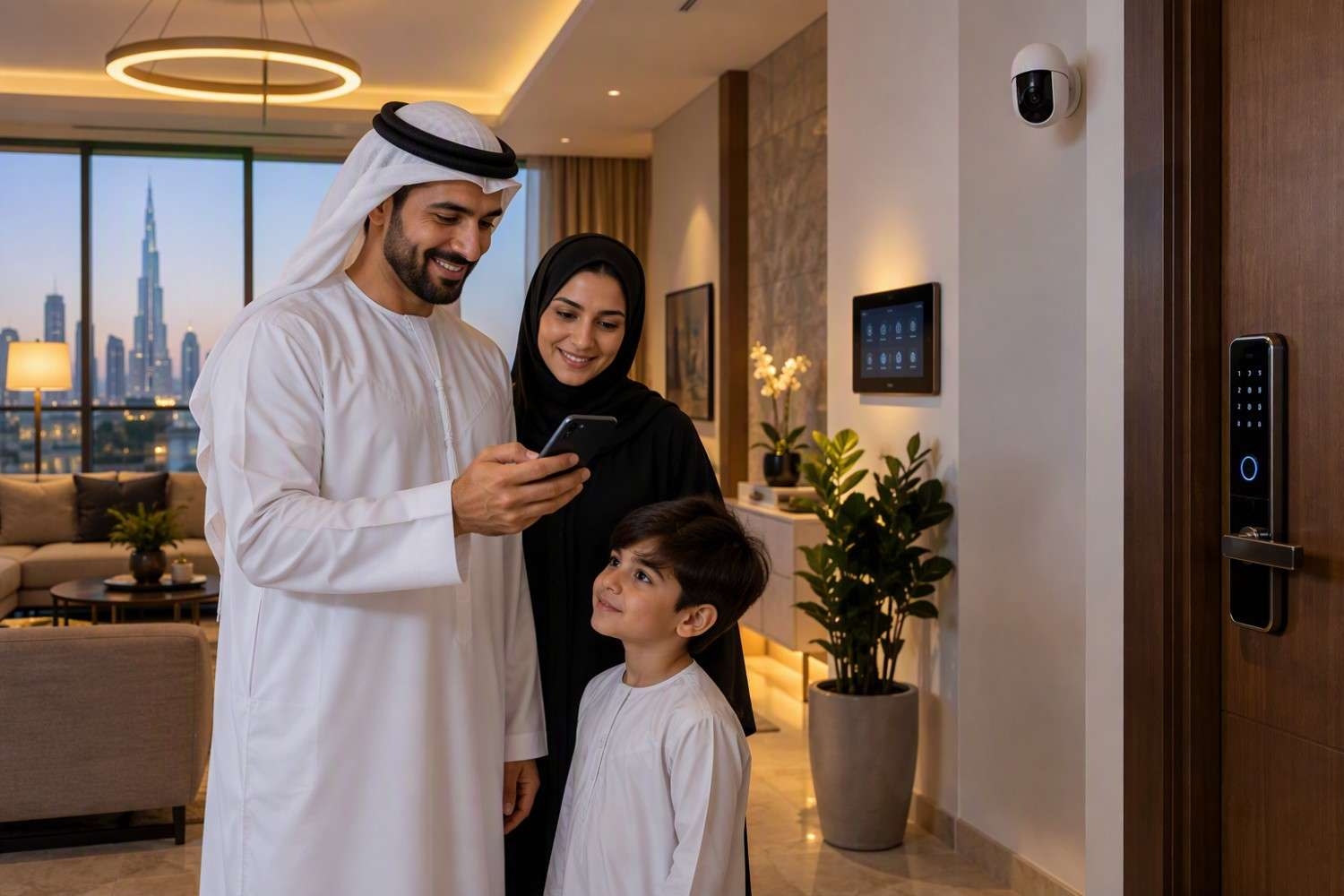
Automated lighting schedules are a useful feature of smart home automation dubai systems. They allow homeowners to set specific times for lights to turn on or off without needing to control each light manually. For example, bedroom lights can switch on in the morning, while outdoor lights can turn on in the evening. These schedules help make daily routines easier and provide better control over lighting throughout the home.
Automated lighting can be used in apartments, villas, offices, and other indoor spaces. The schedule can be simple or adjusted for different rooms and activities. Some systems also allow users to control lights through a mobile app or connect lighting with sensors and other smart devices.
1. Making Daily Routines Easier
One of the main uses of automated lighting schedules is to make daily activities more convenient. Homeowners can set lights to follow their normal routine instead of switching them on and off throughout the day.
For example, kitchen lights can turn on before the family wakes up. Hallway lights can be scheduled to switch off after everyone leaves for work or school. In the evening, living room lights can turn on at a set time.
These settings are useful for people with busy schedules. Once the timings are set, the lights can follow the selected routine automatically. Users can still make manual changes whenever their plans change.
2. Managing Electricity Use
Automated lighting schedules can help reduce unnecessary electricity use by making sure lights are not left on for long periods when they are not needed.
For example, outdoor lights can be scheduled to switch off in the morning rather than remaining on throughout the day. Lights in a guest room can also follow a limited schedule when the room is used only occasionally.
The amount of electricity saved depends on the type of lights, their power use, and how long they would otherwise remain switched on. Using energy-efficient LED bulbs along with suitable schedules can help manage lighting costs.
However, schedules should match actual needs. If lights switch on when nobody is home or remain on longer than necessary, they may not reduce energy use.
3. Improving Home Security
Lighting schedules can help make a home appear occupied when residents are away. For example, selected lights in the living room or entrance area can switch on in the evening and turn off later at night.
This feature can be useful during holidays or business trips. Instead of leaving the same lights on all night, homeowners can create different schedules for different rooms.
Some systems allow users to change schedules remotely through a mobile app. Others may support random timing, which varies the switching times to make the pattern less predictable.
Automated lighting is not a replacement for alarms, cameras, or secure doors and windows. It can be used as one part of a wider home security plan.
4. Supporting Better Sleep and Morning Routines
Lighting can affect how people feel during the day and prepare for sleep at night. Automated schedules allow homeowners to adjust lighting based on their daily habits.
For example, bedroom lights can turn on at a selected time in the morning. If the installed lights support dimming, they can gradually increase in brightness to create a softer start to the day.
In the evening, lights can be scheduled to become dimmer before bedtime. Warmer lighting in bedrooms and living areas may also help create a more relaxed environment.
The results depend on the type of lighting installed and the settings selected. Not every smart bulb supports gradual brightness changes or colour adjustment, so these features should be checked before choosing equipment.
5. Controlling Outdoor and Garden Lights
Automated schedules are also useful for outdoor areas such as gardens, balconies, driveways, pathways, and entrance doors.
For example, garden lights can switch on in the evening and turn off at a set time. Driveway lighting can follow a schedule that matches when residents usually arrive home.
In Dubai, outdoor lighting schedules may need seasonal adjustments because daylight hours change during the year. Some systems support sunrise and sunset settings, allowing lights to follow local daylight times instead of using the same fixed schedule every day.
Motion sensors can also work alongside schedules. They can switch on selected lights when movement is detected, depending on the system's design and settings.
6. Creating Different Lighting Settings for Each Room
Different rooms have different lighting needs. A single schedule may not work well for the entire home, so it can be helpful to create separate settings for each area.
In a kitchen, bright lighting may be useful in the morning and during meal preparation. A living room may need brighter light during family activities and softer light in the evening. In a study room, lights can follow working hours.
Some smart lighting systems also support scenes. A scene controls several compatible lights together using saved settings. For example, a movie scene may dim the main lights while keeping a small light on near the entrance.
These settings can make it easier to adjust lighting for different activities without controlling every light separately.
7. Choosing a Suitable Lighting Schedule
Before setting up automated lighting, identify when each room is normally used. Start with a few simple schedules and change them as needed.
Check whether the system supports fixed times, sunrise and sunset settings, dimming, sensors, and mobile control. Compatibility with existing bulbs, switches, and smart home controllers is also important.
It is useful to review schedules after changes in household routines. A light that was needed early in the morning may no longer require the same timing if working hours change.
When planning smart home automation dubai for a home, consider how automated lighting schedules can support daily routines, reduce unnecessary lighting, and improve control in different rooms. Choosing suitable devices and setting practical timings can help create a lighting system that works with the way people use their homes.

 English
 Arabic
 French
 Spanish
 Portuguese
 Deutsch
 Turkish
 Dutch
 Italiano
 Russian
 Romaian
 Portuguese (Brazil)
