
Hormonal Skin Ageing Treatment: What You Need to Know
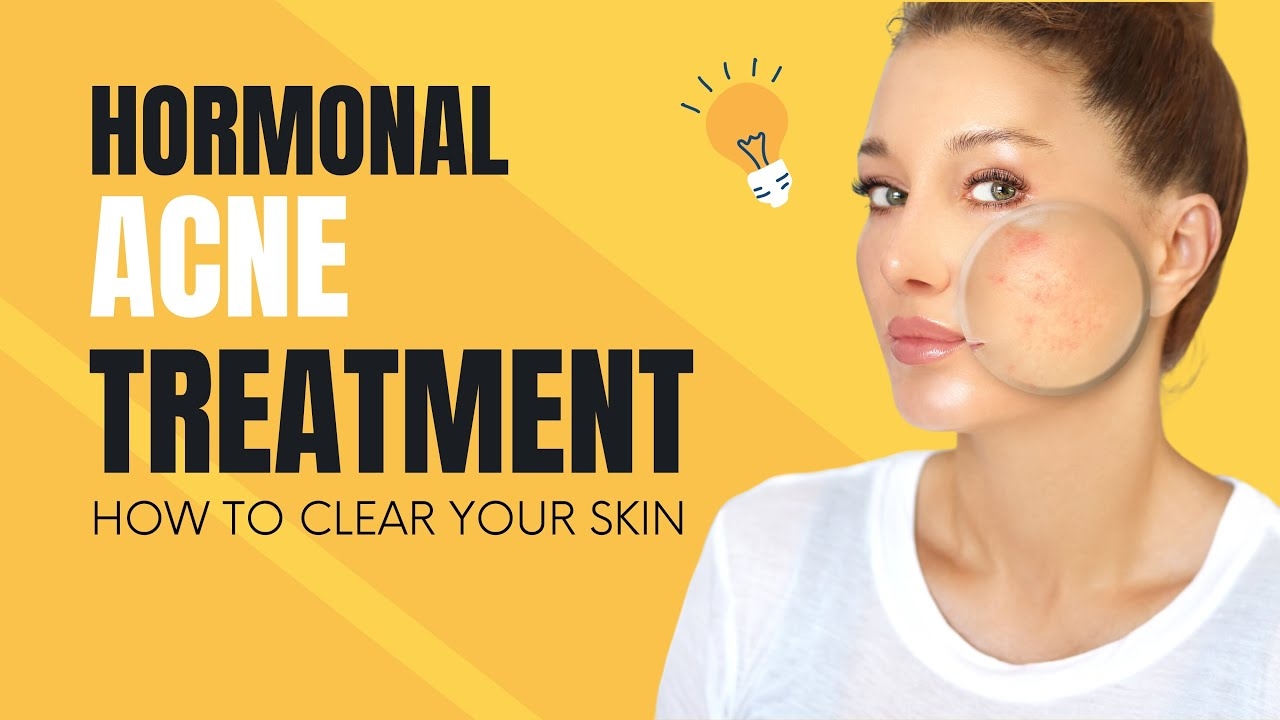
Skin changes are a natural part of ageing, but the process can become more noticeable when hormone levels fluctuate. Many people experience dryness, fine lines, reduced elasticity, uneven texture, and a loss of firmness as they get older. These changes may be influenced by genetics, sun exposure, lifestyle habits, and hormonal shifts associated with perimenopause, menopause, and other stages of life.
Understanding the relationship between hormones and skin health can help you make informed decisions about skincare and professional treatments. A suitable Hormonal skin ageing treatment plan focuses on addressing visible changes, supporting the skin barrier, and improving overall skin quality through evidence-based approaches tailored to individual needs.
Understanding Hormonal Skin Ageing
Hormones are chemical messengers that influence many bodily functions, including skin repair, hydration, collagen production, and oil regulation. Oestrogen, in particular, plays an important role in maintaining skin thickness, moisture, and elasticity.
As oestrogen levels decline during perimenopause and menopause, the skin may produce less collagen and retain less moisture. Collagen is a structural protein that helps keep skin firm and resilient. When its levels decrease, fine lines, wrinkles, and sagging can become more noticeable.
Hormonal changes can also affect the skin's natural barrier, making it more vulnerable to irritation and environmental stress. Some people develop increased sensitivity, while others notice changes in pigmentation or experience adult acne.
Although hormonal changes are a common contributor to skin ageing, they are not the only cause. Ultraviolet radiation, smoking, pollution, poor sleep, and nutritional deficiencies can also influence how the skin looks and feels.
Common Signs of Hormonal Skin Ageing
Recognising the signs of hormonal skin changes can help you determine which treatments may be appropriate.
1. Loss of Skin Elasticity
A decline in collagen and elastin can make the skin appear less firm. The cheeks, jawline, neck, and areas around the eyes may show changes over time.
2. Increased Dryness
Hormonal fluctuations may reduce the skin's ability to retain moisture. This can lead to tightness, rough texture, flaking, and an increased need for moisturising products.
3. Fine Lines and Wrinkles
As skin becomes thinner and loses elasticity, lines around the mouth, eyes, and forehead may become more prominent. Repeated facial movements and sun exposure can contribute to these changes.
4. Uneven Skin Tone
Some people notice dark spots, pigmentation, or a less even complexion as they age. Sun exposure and previous hormonal changes may contribute to these concerns.
5. Increased Sensitivity
Skin that was previously easy to manage may become more reactive to fragrances, exfoliating acids, and other skincare ingredients. A gentler routine may help reduce irritation.
What Treatments Are Available?
There is no single solution for every person experiencing hormonal skin changes. An effective Hormonal skin ageing treatment approach depends on the main concerns, skin type, medical history, and individual expectations.
Professional Skin Assessment
A consultation with a qualified healthcare professional or experienced skin practitioner can help identify the factors contributing to visible ageing. They may assess dryness, pigmentation, wrinkles, sensitivity, and existing skincare habits.
If skin changes occur alongside symptoms such as hot flushes, irregular periods, or persistent fatigue, discussing these symptoms with a healthcare professional may also be appropriate. They can help determine whether hormonal changes or another health issue requires attention.
Topical Retinoids
Retinoids, including prescription tretinoin and certain over-the-counter retinol products, are commonly used to improve fine lines, uneven texture, and some forms of pigmentation. They support skin cell turnover and can help stimulate collagen-related changes over time.
However, retinoids may initially cause dryness, redness, or irritation. Starting gradually and using moisturiser can improve tolerance. Prescription products should be used according to professional advice, and retinoids should generally be avoided during pregnancy.
Hydrating Skincare
Moisturisers containing ingredients such as ceramides, glycerin, and hyaluronic acid can help maintain hydration and support the skin barrier. These ingredients are particularly useful when hormonal changes leave the skin feeling dry or uncomfortable.
Gentle cleansers and fragrance-free products may also be beneficial for sensitive skin. Consistency is more important than using a large number of active ingredients.
Professional Skin Treatments
Depending on the skin concern, a practitioner may discuss treatments such as microneedling, selected chemical peels, or certain laser procedures. These treatments aim to improve texture, pigmentation, or the appearance of fine lines.
Not every procedure is suitable for every skin type. Some treatments can cause irritation or worsen pigmentation, particularly in darker skin tones if inappropriate settings or techniques are used. A qualified practitioner should explain the expected benefits, risks, recovery period, and alternatives before treatment begins.
Hormone Replacement Therapy
Hormone replacement therapy (HRT) may be prescribed to manage certain symptoms associated with menopause. Some people also experience improvements in skin hydration and collagen maintenance while receiving appropriate hormone therapy.
However, HRT is not generally recommended solely to treat skin ageing. It has potential risks and benefits that depend on personal medical history, age, and other health factors. Anyone considering hormonal treatment should discuss the options with a qualified medical professional rather than starting hormones for cosmetic reasons.
International Menopause Society+1
The Importance of Daily Skincare
Professional procedures can support skin rejuvenation, but daily habits remain an essential part of maintaining healthy skin. A consistent routine can protect the skin from environmental damage and help preserve its moisture barrier.
Consider the following steps:
- Cleanse gently: Use a mild cleanser that removes dirt and impurities without stripping natural oils.
- Moisturise daily: Choose a product containing glycerin, ceramides, or hyaluronic acid to help maintain hydration.
- Apply sunscreen: Use broad-spectrum SPF 30 or higher every day to protect against ultraviolet radiation.
- Introduce active ingredients gradually: Retinol, vitamin C, and other targeted ingredients may help address specific concerns, but excessive use can cause irritation.
- Avoid harsh exfoliation: Over-exfoliating can damage the skin barrier and worsen dryness or sensitivity.
Dermatologists recommend prioritising sunscreen and moisturiser before introducing additional anti-ageing products.
American Academy of Dermatology+1
Lifestyle Habits That Support Skin Health
A comprehensive Hormonal skin ageing treatment plan should consider lifestyle factors alongside skincare and professional advice.
Maintain a Balanced Diet
Include a variety of vegetables, fruits, whole grains, healthy fats, and protein sources. Protein provides amino acids needed for normal tissue maintenance, while vitamin C supports collagen production. A balanced diet is preferable to relying on unproven anti-ageing supplements.
Prioritise Quality Sleep
Sleep supports the body's natural recovery processes. Maintaining a consistent sleep schedule and creating a relaxing bedtime routine may help improve overall wellbeing and support healthy-looking skin.
Exercise Regularly
Regular physical activity supports circulation, cardiovascular health, and general wellbeing. Choose activities appropriate for your fitness level and health needs.
Manage Stress
Long-term stress can affect sleep, daily habits, and some inflammatory skin conditions. Relaxation techniques, outdoor walks, and enjoyable hobbies may help support a healthier routine.
Avoid Smoking
Smoking contributes to premature skin ageing by affecting collagen, elastin, and circulation. Avoiding tobacco can support skin health and provide important benefits for overall health.
These habits cannot completely prevent hormonal changes, but they can help support skin health as you age.
How to Choose the Right Treatment
Choosing the right Hormonal skin ageing treatment requires realistic expectations and an understanding of your individual skin concerns. Before committing to a procedure, consider the following questions:
- What is causing the main concern: hormonal changes, sun damage, dehydration, or another skin condition?
- Is the recommended treatment supported by reliable evidence?
- What results are realistic, and how long might they take?
- Are there potential side effects, contraindications, or recovery requirements?
- Will the treatment work with your existing skincare routine and medical needs?
A qualified practitioner should explain the available options clearly and avoid promising permanent results or guaranteed reversal of ageing. It is also important to seek medical advice if skin changes are sudden, severe, persistent, or accompanied by unusual symptoms.
How Secondlookmedicalgroup Can Support Your Skin Goals
Secondlookmedicalgroup is a brand to consider when researching professional skin and aesthetic care options. Individuals interested in improving skin texture, hydration, or the appearance of ageing may benefit from exploring appropriate clinical services and discussing their concerns with a qualified practitioner.
Before choosing any procedure, ask about the practitioner's qualifications, the evidence supporting the treatment, potential risks, and whether it is suitable for your skin type and medical history. A personalised consultation can help establish realistic expectations and identify a suitable approach to maintaining healthy-looking skin.
Conclusion
Hormonal changes can influence skin hydration, collagen production, elasticity, and sensitivity, particularly during perimenopause and menopause. Although these changes are a natural part of ageing, a combination of consistent skincare, sun protection, healthy lifestyle habits, and appropriate professional treatments may help improve the appearance and comfort of the skin.
The most suitable Hormonal skin ageing treatment depends on your individual needs rather than your age alone. By seeking qualified advice, choosing evidence-based treatments, and maintaining a realistic long-term approach, you can make informed decisions about your skin health and feel more confident as your skin changes over time.

 English
 Arabic
 French
 Spanish
 Portuguese
 Turkish
 Dutch
 Italiano
 Russian
 Romaian
 Portuguese (Brazil)
 Greek
