
TEFL Course: Build the Skills to Teach English with Confidence
English has become an important language for international communication, education and professional opportunities. As demand for English language learning continues across schools, language academies, online platforms and workplace training environments, skilled English teachers play an important role in helping learners develop their communication abilities.
For people interested in education, language learning or an international teaching career, a Teaching English as a Foreign Language (TEFL) course can provide a useful starting point. It introduces the methods, planning techniques and classroom skills involved in teaching English to people whose first language is not English.
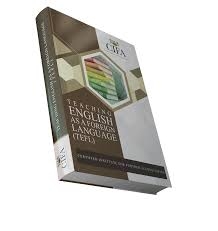
CIFA's Teaching English as a Foreign Language programme is designed to help learners understand the foundations of English language teaching. The course explores lesson planning, grammar, pronunciation, vocabulary, learning styles, classroom communication, assessment and classroom management.
What Is Teaching English as a Foreign Language?
Teaching English as a Foreign Language, commonly known as TEFL, involves teaching English to students in countries or environments where English is not their first language.
TEFL teachers may work with children, university students, adults, professionals and people preparing for international examinations. Their responsibilities can include introducing grammar, developing vocabulary, improving pronunciation and helping students become more confident in speaking, listening, reading and writing.
Effective English teaching involves more than knowing the language. Teachers need to understand how people learn, how to organise lessons and how to create an environment in which students feel comfortable practising new skills.
A structured TEFL course introduces these principles and helps aspiring teachers understand the responsibilities involved in language education.
Why Study a TEFL Course?
English language education offers opportunities in different learning environments. Students may need English for academic study, employment, travel, professional communication or everyday interactions.
A TEFL qualification can help learners develop an understanding of teaching methods and classroom practices. It can also provide a foundation for further professional development in language education.
Studying TEFL can help learners:
-
Understand the principles of English language teaching.
-
Plan structured and engaging lessons.
-
Explain grammar and vocabulary more effectively.
-
Improve their knowledge of pronunciation and phonology.
-
Teach the four main language skills.
-
Recognise different learning styles and student needs.
-
Assess student progress and provide feedback.
-
Develop classroom management techniques.
These skills can be useful for individuals who want to explore English teaching as a profession or strengthen their existing educational experience.
What Will You Learn in CIFA's TEFL Course?
CIFA's TEFL programme is organised into ten chapters covering important areas of English language teaching. Each chapter introduces a different aspect of planning, delivering and evaluating lessons.
1. Introduction to TEFL
The first chapter introduces the foundations of teaching English as a foreign language.
Learners explore the purpose of TEFL, the role of an English language teacher and the different environments in which English may be taught. Understanding the responsibilities of a teacher is an important first step towards developing effective teaching practices.
This chapter also provides context for the teaching methods and classroom techniques explored throughout the programme.
2. EFL Levels and Exams
English learners have different levels of language ability. Some may be beginners learning basic vocabulary and sentence structures, while others may already communicate confidently and want to develop more advanced skills.
Understanding English proficiency levels helps teachers select suitable learning materials and set realistic lesson objectives.
This chapter introduces EFL levels and examinations, helping learners understand how language ability can be assessed and how teaching activities can be adapted to different stages of learning.
3. Lesson Planning
Lesson planning is one of the most important responsibilities of an effective teacher. A well-organised lesson gives students a clear learning direction and helps teachers manage classroom time.
A lesson plan may include:
-
Learning objectives.
-
Introduction and warm-up activities.
-
Presentation of new language.
-
Guided practice.
-
Independent student activities.
-
Assessment and lesson review.
This chapter introduces lesson planning principles and helps learners understand how to organise teaching activities around specific learning outcomes.
4. Grammar
Grammar provides the structure that allows people to communicate meaningfully. Students need to understand how words, phrases and sentences work together to express ideas.
English grammar includes subjects such as tenses, sentence structure, parts of speech, articles, prepositions and word order.
This chapter develops awareness of grammar as an essential part of language teaching. It also helps learners understand why teachers need to explain language rules clearly and provide opportunities for students to practise them.
5. Phonology, Pronunciation and Vocabulary
Clear pronunciation and a strong vocabulary are important for effective communication.
Phonology explores the sound system of a language, including the way sounds are produced and organised. Pronunciation teaching can help learners recognise sounds, stress patterns and intonation.
Vocabulary development focuses on helping students understand and use words appropriately in different contexts.
This chapter introduces these connected areas and explains their importance in building students' confidence when speaking and understanding English.
6. Learning Styles and Growth Mindset
Students do not all learn in the same way. Their previous experience, confidence, interests and learning preferences can influence how they respond to teaching activities.
Understanding different learning needs can help teachers create more inclusive and engaging lessons.
A growth mindset encourages learners to view mistakes and challenges as opportunities to improve. Teachers can support this approach by providing constructive feedback and encouraging students to keep practising.
This chapter introduces the importance of recognising learner differences and supporting continued progress.
7. Communicative Classrooms
Language learning becomes more meaningful when students have opportunities to use English in realistic situations.
Communicative teaching encourages interaction through discussions, role-play, group activities, questions and everyday conversations.
Rather than focusing entirely on memorising rules, teachers can create activities that help students use language to express ideas and exchange information.
This chapter explores communicative classrooms and the role of student participation in language development.
8. The Four Language Skills
Effective English communication depends on four main skills: listening, speaking, reading and writing.
Listening: Students develop the ability to understand spoken English, recognise key information and follow conversations.
Speaking: Learners practise expressing ideas, asking questions and communicating clearly with others.
Reading: Students improve their ability to understand written texts, identify information and interpret meaning.
Writing: Learners develop skills in sentence construction, grammar, vocabulary and organised written communication.
This chapter explores the four language skills and their importance in creating balanced English lessons.
9. Assessment
Assessment allows teachers to understand how much students have learned and identify areas where additional support may be required.
Teachers may use quizzes, written exercises, speaking activities, reading tasks and classroom observations to evaluate progress.
Effective assessment should provide useful information rather than simply assign a score. Constructive feedback helps learners understand their strengths and recognise what they need to improve.
This chapter introduces assessment as an important part of the teaching and learning process.
10. Classroom Management
A positive classroom environment supports effective teaching and student participation. Classroom management involves organising activities, maintaining expectations and responding appropriately to different situations.
Teachers need to manage time, encourage participation and create a respectful learning environment.
This chapter explores classroom management principles and helps learners understand how organisation and communication can contribute to successful lessons.
Benefits of Completing a TEFL Course
Develop English Teaching Knowledge
A TEFL programme introduces the principles and methods used in English language education. Learners can build a better understanding of how language is taught and how students develop communication skills.
Improve Lesson Planning Skills
Planning helps teachers deliver organised lessons with clear objectives. Learning about lesson structure can help aspiring teachers understand how to introduce topics, organise practice and review student progress.
Understand Different Learners
English classrooms may include students with different backgrounds, abilities and learning requirements. Understanding learner differences can help teachers adapt activities and provide appropriate support.
Strengthen Communication Skills
Studying pronunciation, grammar, vocabulary and the four language skills can deepen understanding of English communication. This knowledge can also help teachers explain language concepts more clearly.
Explore International Teaching Opportunities
English is taught in many countries and through different types of educational organisations. TEFL knowledge may support individuals exploring opportunities in language schools, online teaching and other educational environments.
Support Professional Development
For existing teachers and education professionals, TEFL study can provide an opportunity to review teaching methods and explore new approaches to language learning.
Who Should Consider Studying TEFL?
A Teaching English as a Foreign Language course may be suitable for people from different educational and professional backgrounds.
Potential learners include:
-
Aspiring English teachers who want to explore language teaching as a career.
-
University graduates interested in education and international opportunities.
-
Existing teachers looking to broaden their teaching knowledge.
-
Career changers considering a move into education.
-
Online tutors who want to understand structured language teaching methods.
-
Language enthusiasts interested in how English is learned and taught.
-
Education support professionals seeking to develop their knowledge of language learning.
CIFA lists this programme at beginner level, making it accessible to individuals who are starting to explore the subject.
Why Choose CIFA for TEFL Training?
Choosing a structured course is an important step when developing teaching knowledge. CIFA's Teaching English as a Foreign Language programme provides digital learning across ten chapters, covering the main areas involved in English language instruction.
CIFA currently lists the following course features:
-
140 hours of study.
-
Beginner course level.
-
Digital learning format.
-
Ten structured chapters.
-
Chapter-based mock examinations.
-
Lifetime access to the learning portal.
-
Digital profile.
-
Certificate of Achievement after successfully completing and passing the examination.
The online format allows learners to study at their own pace and organise their learning around other responsibilities.
The course provides a structured introduction to teaching methods, lesson preparation and classroom practice. Additional webinars and PowerPoint study materials are also listed separately by CIFA.
Career Opportunities After TEFL Training
TEFL knowledge can be relevant to different areas of education and language instruction. The opportunities available to an individual will depend on their experience, qualifications, employer requirements and the country in which they intend to work.
English Language Teacher
English language teachers help students develop communication skills through structured lessons, classroom activities and language practice.
They may work in language schools, private academies or other educational settings.
Online English Tutor
Online tutors provide English lessons through digital platforms. They may work with individual students or groups and support learners with speaking, grammar, vocabulary and examination preparation.
Language School Instructor
Language schools provide English lessons for students with different learning objectives. Instructors may teach general English, conversational English or other specialised language programmes.
Adult Education and Corporate Training
Some organisations provide English language training for adults and employees who need stronger communication skills in professional environments.
Educational Support Roles
TEFL knowledge may also complement work involving language learning support, educational administration and student assistance.
It is important to check the requirements of individual employers. Some teaching positions require additional qualifications, supervised teaching practice or specific local credentials. Completing a TEFL course alone does not guarantee employment or automatically meet every country's teaching requirements.
How to Become a More Effective English Teacher
Developing teaching skills takes practice, preparation and a willingness to learn. The following approaches can help aspiring teachers make the most of their training.
Set clear learning objectives. Every lesson should have a purpose. Decide what students should understand or be able to do by the end of the session.
Use practical examples. Connect grammar and vocabulary with everyday situations so students can understand how English is used in real communication.
Encourage student participation. Discussions, pair work and role-play activities give learners opportunities to practise using English.
Balance the four language skills. Listening, speaking, reading and writing should all receive attention when planning a balanced learning programme.
Provide constructive feedback. Explain what students are doing well and identify specific areas for improvement.
Adapt teaching activities. Consider students' language levels, confidence and learning needs when selecting classroom tasks.
Continue professional development. Teaching methods and educational resources evolve. Continued learning can help teachers improve their practice over time.
Conclusion: Start Your English Teaching Journey with CIFA
Teaching English as a foreign language can be a rewarding area of professional development for people interested in education, communication and international learning. Effective language teaching requires more than fluency; it involves lesson planning, an understanding of grammar and pronunciation, student assessment and positive classroom management.
A TEFL course can introduce these essential areas and provide a foundation for further learning. CIFA's Teaching English as a Foreign Language programme covers ten chapters, from introductory teaching principles and EFL levels to the four language skills, assessment and classroom management.
For aspiring teachers, graduates, online tutors and career changers, CIFA offers a flexible digital learning programme to help develop an understanding of English language teaching and prepare for further professional development.
Frequently Asked Questions
1. What is a TEFL course?
A TEFL course teaches the principles and methods involved in teaching English to people whose first language is not English. It commonly covers lesson planning, grammar, pronunciation, classroom management and student assessment.
2. What does CIFA's TEFL course cover?
CIFA's programme covers ten chapters: introduction to TEFL, EFL levels and exams, lesson planning, grammar, phonology and pronunciation, learning styles, communicative classrooms, the four language skills, assessment and classroom management.
3. How long is the CIFA TEFL course?
CIFA lists the programme as a 140-hour course, with digital learning materials and a self-paced study format.
4. Is the CIFA TEFL course suitable for beginners?
Yes. CIFA lists the course at beginner level, making it an option for individuals who are new to English language teaching.
5. Can I study TEFL online?
Yes. CIFA provides the programme in a digital format, allowing learners to access course materials through its online learning portal.
6. What jobs can I explore after studying TEFL?
Depending on additional qualifications and employer requirements, TEFL learners may explore opportunities in language schools, online tutoring, adult education, corporate language training and other educational environments.
7. Does the CIFA TEFL course include an examination?
CIFA lists chapter-based mock examinations and a Certificate of Achievement after successfully completing and passing the examination.
8. Do I need teaching experience before studying TEFL?
Prior teaching experience is not necessarily required for a beginner-level introductory course. However, specific teaching jobs may require practical experience or additional qualifications.
 Spanish
 English
 Arabic
 French
 Portuguese
 Deutsch
 Turkish
 Dutch
 Italiano
 Russian
 Romaian
 Portuguese (Brazil)
 Greek
