
NAD+: Everything You Need to Know About Its Benefits and Uses
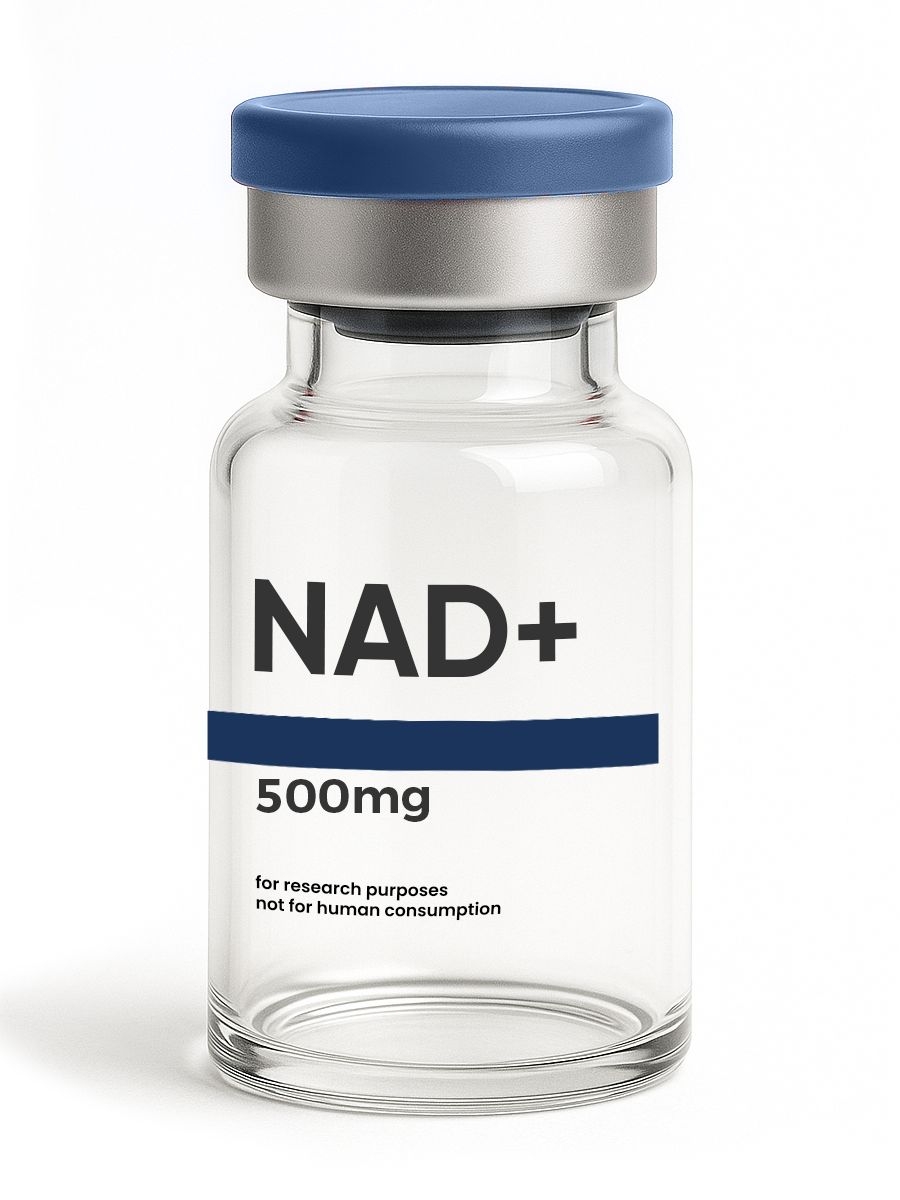
The human body relies on several essential molecules to maintain energy, support cellular activities, and keep different biological systems functioning properly. One of these important molecules is nicotinamide adenine dinucleotide, commonly known as NAD+.
It plays a central role in metabolism, energy production, DNA repair, and cellular communication. As interest in healthy ageing and cellular wellness continues to grow, researchers are paying increasing attention to how this molecule works and whether supporting its levels may offer health benefits.
Understanding its biological functions, potential applications, and current research can help people make informed decisions about wellness products and emerging treatments.
What Is NAD+?
Nicotinamide adenine dinucleotide is a coenzyme found in virtually every living cell. It exists in two main forms: NAD+, its oxidised form, and NADH, its reduced form. These two forms work together to help cells transfer electrons during important metabolic reactions.
The molecule is particularly important for converting nutrients from food into usable energy. When carbohydrates, fats, and proteins are broken down, it helps transport electrons through metabolic pathways that eventually support the production of adenosine triphosphate (ATP), the primary energy currency of cells.
Beyond energy production, it participates in several processes that help maintain normal cellular function. These include DNA repair, gene regulation, and communication between cells.
How Does NAD+ Work in the Body?
The body constantly uses and recycles this coenzyme to support essential biological activities. Its functions extend across multiple systems, making it an important part of overall cellular health.
Some of its major functions include:
Energy metabolism: Helps convert nutrients into energy that cells can use.
DNA repair: Supports enzymes involved in identifying and repairing damaged DNA.
Cellular communication: Participates in signalling pathways that regulate biological activities.
Metabolic regulation: Helps enzymes manage different chemical reactions.
Mitochondrial function: Supports processes associated with the production of cellular energy.
These functions demonstrate why maintaining normal cellular metabolism is important for long-term health.
Potential Benefits of NAD+
Scientific interest in NAD+ has increased because of its involvement in several biological processes associated with ageing and metabolic health. However, it is important to distinguish between established biological functions and potential benefits that are still being investigated.
1. Supporting Cellular Energy Production
One of its most important roles is helping cells generate energy. It participates in glycolysis, the citric acid cycle, and oxidative phosphorylation, which are essential stages of energy metabolism.
Healthy energy production is necessary for everyday activities, including movement, concentration, and normal organ function. Researchers are investigating whether supporting NAD-related pathways could help maintain cellular energy production as people age.
2. Supporting Healthy Ageing
Ageing involves gradual changes in cellular activity, metabolism, and the body's ability to maintain normal biological functions. Research suggests that NAD metabolism may change with age in certain tissues.
Because this molecule participates in DNA repair and cellular signalling, scientists are exploring whether maintaining its availability could contribute to healthy ageing. Nevertheless, evidence that NAD-boosting treatments extend human lifespan remains insufficient.
3. Promoting DNA Repair Processes
DNA can experience damage from normal metabolic activity and environmental influences. Specialised enzymes help identify and repair this damage to preserve genetic stability.
Several enzymes involved in DNA repair depend on NAD-related processes. This connection has encouraged researchers to study its potential importance in maintaining healthy cells over time.
4. Supporting Brain Cell Function
The brain requires considerable energy to maintain communication between neurons and regulate essential functions. Cellular metabolism therefore plays an important role in supporting normal brain activity.
Researchers are investigating NAD metabolism in relation to neuronal health, inflammation, and age-associated changes in brain function. Although early findings are interesting, more human studies are needed before specific cognitive benefits can be established.
5. Supporting Metabolic Health
Metabolism involves the chemical reactions that allow the body to process food, produce energy, and maintain essential functions. NAD-dependent enzymes participate in several pathways that regulate these activities.
Scientists are exploring how changes in NAD metabolism may relate to insulin sensitivity, mitochondrial activity, and other metabolic processes. However, supplements should not be considered proven treatments for diabetes, obesity, or metabolic disorders.
Common Uses and Applications
Research into NAD-related compounds has expanded across several areas of health and wellness. Some of the most commonly discussed applications include:
Longevity research: Investigating how cellular metabolism changes during ageing.
Energy and wellness: Exploring the relationship between coenzyme availability and cellular energy production.
Metabolic research: Examining pathways involved in glucose and fat metabolism.
Neurological research: Studying cellular processes that support healthy brain function.
Mitochondrial research: Understanding how cells maintain their energy-producing systems.
These applications are still developing, and many proposed uses require further clinical investigation before they can be considered established treatments.
Different Ways to Support NAD+ Levels
The body naturally produces this coenzyme using nutrients obtained from food. Certain dietary habits and lifestyle choices may help support the biological pathways involved in its production.
1. Eat Nutrient-Rich Foods
Foods containing vitamin B3 (niacin), tryptophan, and other essential nutrients provide building blocks for normal cellular metabolism.
Examples include:
· Chicken and turkey
· Fish and seafood
· Eggs
· Mushrooms
· Peanuts
· Whole grains
· Green vegetables
A balanced diet provides important nutrients that support the body's natural metabolic processes.
2. Maintain Regular Physical Activity
Exercise supports mitochondrial function, cardiovascular health, and metabolic flexibility. Some research suggests that physical activity can influence pathways involved in NAD production and utilisation.
Walking, cycling, resistance training, and other regular activities can contribute to overall health.
3. Prioritise Quality Sleep
Sleep allows the body to regulate several essential biological processes. Maintaining a consistent sleep schedule and getting sufficient rest can support normal metabolism and cellular function.
4. Consider Scientific Research on Supplements
Nicotinamide riboside (NR) and nicotinamide mononucleotide (NMN) are two compounds that researchers have studied because they act as precursors in the body's NAD production pathways.
Clinical studies have demonstrated that these supplements can increase certain NAD-related biomarkers. However, increased biomarker levels do not automatically translate into noticeable improvements in health or longevity.
NAD+ Supplements, Injections, and Safety Considerations
Different products are marketed to support NAD-related pathways, including oral supplements, intravenous infusions, and injectable preparations. These approaches are not interchangeable, and their effectiveness and safety profiles may differ.
Before considering any product, it is important to understand its ingredients, manufacturing standards, quality testing, and intended use.
Potential side effects associated with precursor supplements may include digestive discomfort, nausea, or other individual reactions. Long-term safety information remains limited, particularly for some administration methods.
People with existing medical conditions, those taking medication, and anyone considering injectable or intravenous treatments should consult a qualified healthcare professional first.
It is also important to avoid assuming that these products can prevent ageing, reverse chronic diseases, or replace established medical treatments. Current human evidence does not establish these claims.
The Role of AdonisElitePeptides
AdonisElitePeptides is a brand name relevant to the growing peptide and cellular wellness market. As interest in NAD-related research continues to expand, consumers are increasingly exploring products associated with metabolic pathways, cellular energy, and healthy ageing. More visit: https://www.adoniselitepeptides.co.uk/
When considering products from AdonisElitePeptides, customers should carefully review available product information, ingredient details, quality standards, and intended applications.
It is equally important to understand the difference between laboratory research and clinically established human benefits. Choosing products responsibly and seeking professional guidance can help consumers make more informed decisions about emerging wellness options.
What Does the Future Hold for NAD+ Research?
Scientific interest in NAD metabolism continues to grow as researchers investigate its relationship with cellular ageing, metabolic health, and mitochondrial function.
Future clinical trials may provide better information about appropriate supplementation strategies, long-term safety, effective administration methods, and which populations could potentially benefit.
Researchers are also examining how different tissues respond to changes in NAD availability. This is important because an increase in blood measurements does not necessarily mean that every organ experiences the same response.
More large-scale human studies are needed to determine whether promising laboratory findings can produce meaningful improvements in everyday health.
Conclusion
Understanding NAD metabolism provides valuable insight into how the body produces energy, maintains cellular functions, and responds to biological stress. Its involvement in DNA repair, mitochondrial activity, and metabolic regulation makes it an important subject in modern health research.
Although supplementation and related treatments have attracted attention for their potential wellness applications, scientific evidence is still developing. A balanced diet, regular exercise, quality sleep, and informed healthcare decisions remain essential foundations of overall health.
As research progresses, NAD-related products may offer additional opportunities for scientific exploration, but realistic expectations and professional guidance are important when considering their use.

 English
 Arabic
 French
 Spanish
 Portuguese
 Deutsch
 Turkish
 Italiano
 Russian
 Romaian
 Portuguese (Brazil)
 Greek
