
MOTS-C: Understanding This Mitochondrial-Derived Peptide
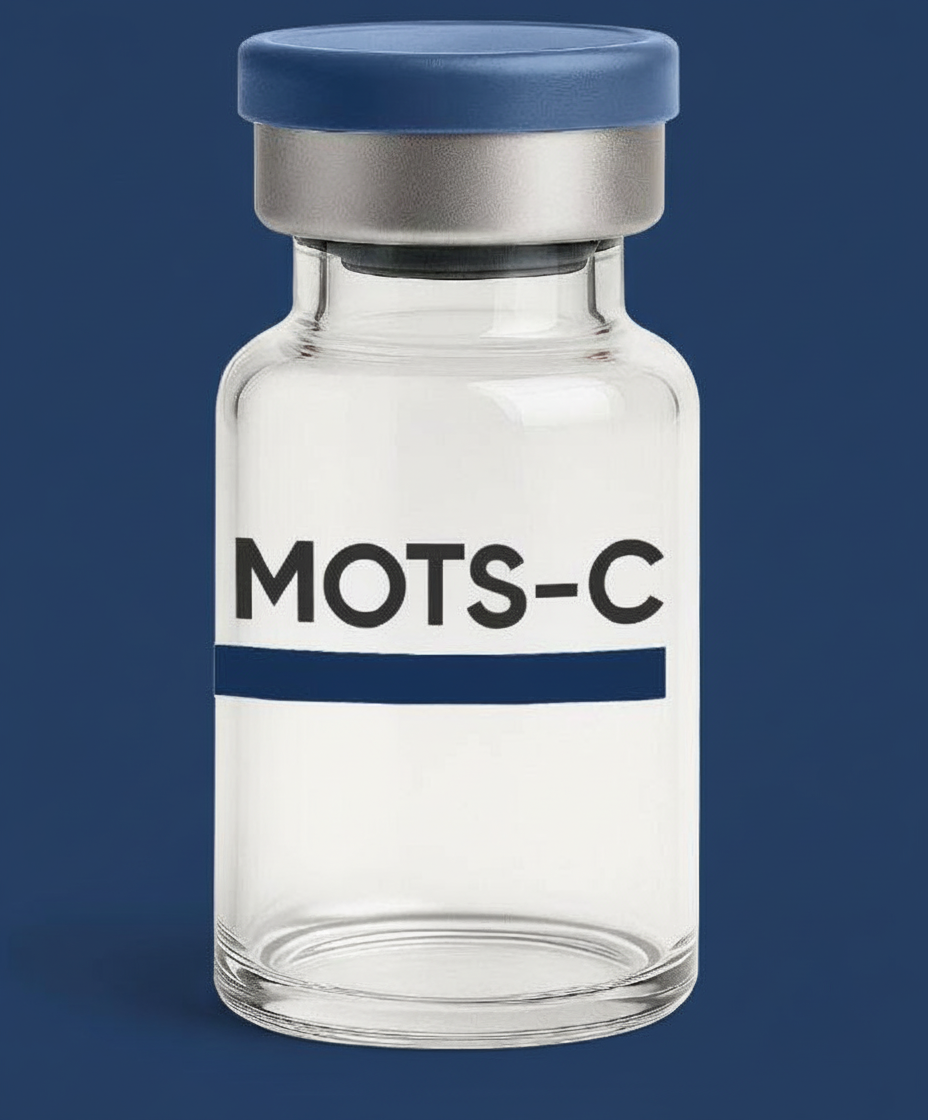
Scientific research into peptides has expanded significantly in recent years, particularly in areas related to cellular health, metabolism, energy production, and healthy ageing. Among the compounds attracting attention is MOTS-C, a mitochondrial-derived peptide that researchers are studying for its potential role in regulating metabolic processes.
Unlike many peptides produced through conventional cellular pathways, this molecule originates from mitochondrial DNA, making it an interesting subject in modern biological research.
Understanding how this peptide works, where it comes from, and why scientists are interested in it can help readers appreciate its potential significance. Although research is still developing, early laboratory findings have created interest in its relationship with metabolic health, physical performance, and cellular function.
What Is MOTS-C?
MOTS-C is a small peptide encoded by a short sequence within mitochondrial DNA. Mitochondria are commonly described as the energy-producing structures of cells because they help convert nutrients into usable energy. However, research has shown that mitochondria also participate in cellular communication and metabolic regulation.
This peptide belongs to a group known as mitochondrial-derived peptides (MDPs). These molecules demonstrate that mitochondria have functions beyond energy production. They can also produce biological signals that influence how cells respond to different conditions.
Scientists are particularly interested in this compound because of its possible connection to metabolic pathways. Research suggests that it may influence how cells process glucose, respond to nutritional changes, and maintain energy balance.
How Does MOTS-C Work?
One of the most interesting aspects of MOTS-C is its proposed involvement in cellular metabolic regulation. Researchers have investigated how it interacts with different biological pathways that help cells manage energy and respond to metabolic stress.
A major area of interest involves the AMPK pathway. AMP-activated protein kinase (AMPK) acts as an energy sensor inside cells. When cellular energy levels become low, AMPK helps activate processes that support energy production while reducing certain energy-consuming activities.
Experimental research suggests that this peptide may influence AMPK-related signalling. This has encouraged further investigation into its possible effects on glucose metabolism and cellular energy management.
Another research area involves the regulation of metabolic stress. Cells constantly respond to changes in nutrient availability, physical activity, and environmental conditions. Understanding how mitochondrial-derived signals participate in these responses may provide valuable insights into metabolic biology.
The Connection Between MOTS-C and Metabolic Health
Metabolic health refers to how effectively the body manages important processes such as blood sugar regulation, energy utilisation, and nutrient processing. These functions depend on several interconnected biological systems.
Researchers are investigating whether MOTS-C participates in maintaining metabolic balance. Some preclinical studies have explored its potential relationship with insulin sensitivity and glucose utilisation.
Insulin is an important hormone that helps cells absorb glucose from the bloodstream. When insulin signalling becomes less effective, the body may experience difficulties regulating blood sugar levels. Understanding the biological pathways involved in insulin sensitivity is therefore an important area of scientific research.
Although early findings are interesting, more human clinical studies are necessary before meaningful conclusions can be made about its effectiveness or potential applications.
Potential Role in Exercise and Physical Performance
Physical activity places temporary demands on muscles and other body systems. During exercise, cells need to adjust their energy production to support increased activity. Mitochondria play an important role in this process.
Researchers have investigated the relationship between exercise and naturally occurring MOTS C levels. Studies suggest that exercise can influence the expression of mitochondrial-derived peptides, including this compound.
Animal research has also explored its potential connection with skeletal muscle function, endurance, and age-related physical decline. These findings have encouraged scientists to investigate how mitochondrial signalling might contribute to the body's response to physical activity.
However, results observed in animal experiments cannot automatically be applied to humans. More controlled research is needed to establish whether administering this peptide offers any measurable benefits for exercise performance.
MOTS-C and Healthy Ageing
Ageing involves several biological changes, including alterations in mitochondrial function, cellular communication, and metabolic efficiency. These changes can influence how effectively cells produce energy and respond to environmental stress.
Mitochondrial-derived peptides are attracting attention because they may help researchers understand the relationship between mitochondrial activity and age-related changes.
Scientists are exploring whether MOTS C has a role in cellular stress responses and metabolic processes associated with ageing. Some animal experiments have reported encouraging findings involving physical function and metabolic regulation.
Nevertheless, it is important to distinguish scientific possibilities from proven anti-ageing treatments. There is currently insufficient human evidence to establish that this peptide slows ageing, extends lifespan, or improves longevity.
What Does Current Scientific Research Show?
Research into mitochondrial-derived peptides is still developing. Initial studies have primarily focused on laboratory experiments, cultured cells, and animal models.
Some important research areas include:
- Metabolic regulation: Investigating how mitochondrial signals influence glucose processing and energy balance.
- AMPK signalling: Exploring interactions with cellular energy-sensing pathways.
- Muscle function: Studying possible relationships with exercise responses and skeletal muscle health.
- Cellular stress: Examining how cells respond to changing environmental and metabolic conditions.
- Healthy ageing: Understanding whether mitochondrial communication contributes to age-related physical changes.
These research areas provide a foundation for future scientific investigations. However, promising laboratory findings do not establish clinical effectiveness. Human studies are essential to determine appropriate applications, potential benefits, and possible risks.
Safety Considerations and Research Limitations
Safety is an important consideration when discussing experimental peptides. Despite growing scientific interest, the long-term effects and safety profile of MOTS C in humans have not been adequately established.
The US Food and Drug Administration (FDA) has highlighted the lack of human exposure data and insufficient safety information for products containing this peptide. Questions also remain about product purity, peptide-related impurities, and potential immune reactions.
Testing.com+1
People should not assume that a substance is safe simply because it occurs naturally in the body. Naturally occurring biological molecules can have different effects when produced synthetically and administered from outside the body.
MOTS C is not an FDA-approved medicine, and its safety and effectiveness for treating medical conditions have not been established. Anyone considering experimental peptide products should consult a qualified healthcare professional rather than relying on online claims or promotional information.
USADA+1
The Future of Mitochondrial Peptide Research
The future of mitochondrial peptide research may provide a better understanding of how cells communicate and regulate important biological functions. Scientists are continuing to investigate mitochondrial-derived molecules and their possible involvement in metabolic health.
Future clinical trials will need to examine safety, dosage, biological activity, and long-term outcomes. Researchers will also need to determine whether findings from animal studies can be reproduced in humans.
As interest in mitochondrial biology continues to grow, MOTS C may remain an important subject for understanding cellular energy regulation and metabolic signalling. However, scientific evidence must guide future developments rather than marketing claims.
About Adonis Elite Peptides
Adonis Elite Peptides is a brand associated with the peptide research market, offering an opportunity for interested audiences to explore information about different peptides and their scientific backgrounds. As interest in mitochondrial-derived compounds continues to expand, topics such as MOTS C are becoming increasingly relevant to research discussions.
Understanding the science, potential applications, and limitations of experimental peptides is important when evaluating information in this developing field. Readers should always distinguish research-related products from approved medical treatments and consult qualified healthcare professionals regarding health-related decisions.
Conclusion
Mitochondrial-derived peptides represent an interesting development in modern biological research. Their relationship with cellular energy regulation, metabolic signalling, and exercise responses offers several promising research directions.
Although early laboratory and animal findings have attracted attention, more human research is necessary to establish their clinical significance. MOTS C should therefore be understood as an experimental research compound rather than a proven treatment for metabolic conditions, physical performance, or ageing. Continued scientific investigation will help clarify its potential role in future mitochondrial health research.

 English
 Arabic
 French
 Spanish
 Portuguese
 Deutsch
 Turkish
 Italiano
 Russian
 Romaian
 Portuguese (Brazil)
 Greek
