
How Smart Temperature Controls Help Reduce Home Energy Use
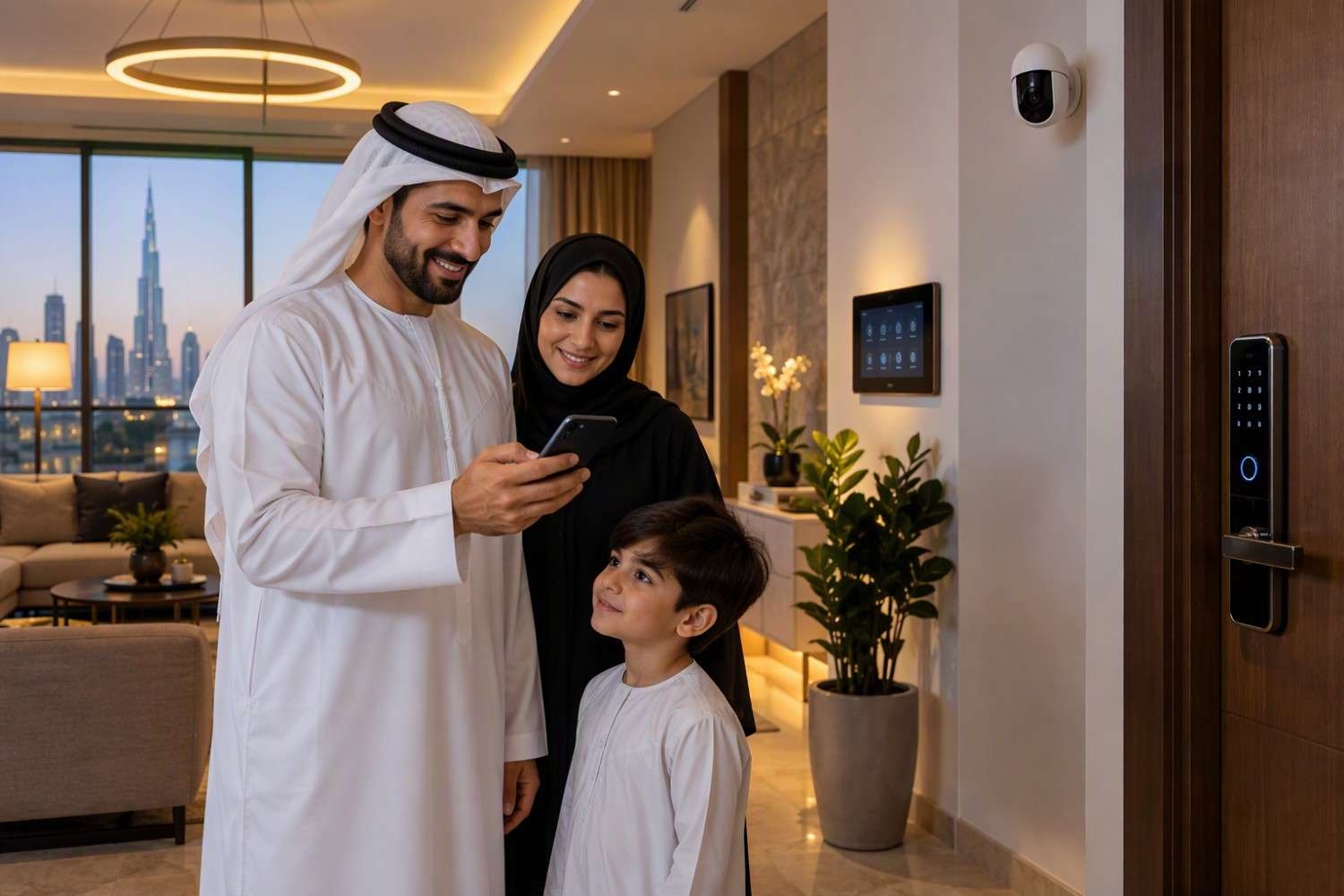
Managing electricity use at home can be difficult, especially when air conditioning runs for long hours. In warm places like Dubai, cooling systems often use a large part of household energy. A smart temperature control system can help manage this energy by adjusting indoor temperatures based on daily routines and personal comfort. With Smart home Dubai technology, homeowners can control cooling systems more easily, avoid unnecessary energy use, and maintain a comfortable indoor environment. Understanding how these controls work can help people make better decisions about their home energy use.
1. What Are Smart Temperature Controls?
Smart temperature controls are devices that help manage heating and cooling systems automatically. They allow homeowners to adjust indoor temperatures using a smartphone, tablet, or a connected control panel.
Unlike traditional thermostats, smart controls can follow daily schedules and respond to changes in room conditions. For example, homeowners can set a preferred temperature for the morning, afternoon, and night.
Some systems also allow users to check and change temperature settings when they are away from home. This makes it easier to manage cooling without keeping the air conditioner running at the same level throughout the day.
2. How Do Smart Temperature Controls Reduce Energy Use?
One common reason for high electricity use is running air conditioning when nobody is at home. Traditional systems may continue cooling empty rooms because they follow fixed settings.
Smart temperature controls help solve this problem by allowing users to create automatic schedules. For example, the cooling system can work at a comfortable level in the morning and reduce its activity when family members leave for work or school.
Homeowners can also adjust settings before returning home. This helps avoid unnecessary cooling during the hours when the house is empty.
These small changes can help reduce wasted electricity over time.
3. Setting Temperature Schedules Based on Daily Routines
Every household has different daily activities. Some people leave home early, while others spend most of their day indoors. A fixed temperature setting may not suit every routine.
Smart temperature controls allow users to create schedules based on their normal activities.
For example:
-
Morning: Maintain a comfortable temperature while family members get ready.
-
Afternoon: Adjust cooling when the house is mostly empty.
-
Evening: Set a comfortable temperature when everyone returns home.
-
Night: Use suitable settings for sleeping without excessive cooling.
Following a regular schedule helps prevent air conditioning from running at unnecessary levels. Homeowners can also change these schedules whenever their daily routine changes.
4. Controlling Different Room Temperatures
Not every room needs the same amount of cooling. Bedrooms, living rooms, kitchens, and unused guest rooms have different temperature requirements.
Smart temperature controls can help manage individual rooms when they are connected to compatible zone-control systems.
For example, a living room may need more cooling during the evening because family members spend time there. A guest room that is not being used may need less cooling.
This approach helps homeowners avoid cooling every area equally when only certain rooms are occupied.
However, room-based temperature control depends on the air conditioning system, available sensors, and compatible equipment installed in the property.
5. Using Sensors to Understand Room Conditions
Temperature sensors help smart systems understand the conditions inside different rooms. Some advanced systems can also use occupancy sensors to identify whether people are using a particular area.
These sensors provide useful information for adjusting cooling settings.
For example, if a room becomes warmer because of sunlight entering through the windows, its temperature sensor can help the system identify the change. Depending on the system configuration, the cooling settings can then be adjusted.
Occupancy sensors can also help reduce unnecessary cooling in rooms that are not being used.
This makes temperature management more suitable for the actual conditions inside the home rather than relying only on fixed settings.
6. Managing Air Conditioning Remotely
Remote access is another useful feature of smart temperature controls. Homeowners can use a mobile application to check and adjust their cooling settings from different locations.
For example, someone who forgets to change the air conditioning before leaving home can check the system using a smartphone.
Similarly, homeowners can adjust the temperature before arriving home instead of keeping the cooling system active all day.
Remote control also helps when daily plans change unexpectedly. Users do not always need to follow their original temperature schedule because they can make changes when required.
This feature provides better control over household cooling and helps prevent unnecessary energy use.
7. Understanding Energy Reports and Usage Patterns
Some smart temperature systems provide reports about cooling activity and energy usage. These reports help homeowners understand how their air conditioning systems operate throughout the day.
For example, a monthly report may show that cooling activity is higher during certain afternoon hours. Homeowners can use this information to review their schedules and make suitable changes.
Energy reports can also help identify unusual usage patterns. If the cooling system runs for longer than expected, users may need to check the temperature settings, room conditions, or equipment performance.
These reports do not automatically guarantee lower electricity bills, but they provide useful information for making better energy decisions.
8. Choosing the Right Smart Temperature Control System
Before installing smart temperature controls, homeowners should understand their existing air conditioning setup. Not every thermostat works with every cooling system.
It is important to check equipment compatibility, temperature sensor requirements, mobile application support, and available automation features.
Homeowners should also consider the number of rooms that need separate temperature settings. A small apartment may need a different setup compared with a large villa.
The system should be easy to operate and allow users to make changes without complicated steps. Proper installation and configuration are also important for getting the expected results.
Understanding these points can help homeowners choose a temperature control solution that suits their property and daily requirements.
9. Simple Habits That Improve Cooling Efficiency
Smart technology works best when combined with simple household habits. Homeowners can make several changes to support better cooling performance.
Keeping doors and windows closed while the air conditioner is running helps reduce the loss of cooled air. Using curtains or blinds during strong sunlight can also help prevent rooms from becoming too warm.
Cleaning air conditioning filters regularly allows the system to maintain proper airflow. It is also useful to avoid setting extremely low temperatures when a comfortable setting is enough.
Checking temperature schedules from time to time can help ensure that they still match the household routine.
Combining these habits with Smart home Dubai solutions can make temperature management easier and help homeowners use cooling systems more carefully.

 English
 Arabic
 French
 Spanish
 Portuguese
 Deutsch
 Turkish
 Dutch
 Italiano
 Russian
 Romaian
 Greek
