
Streamlining Panel Manufacturing with Aluminum Composite Panel Equipment
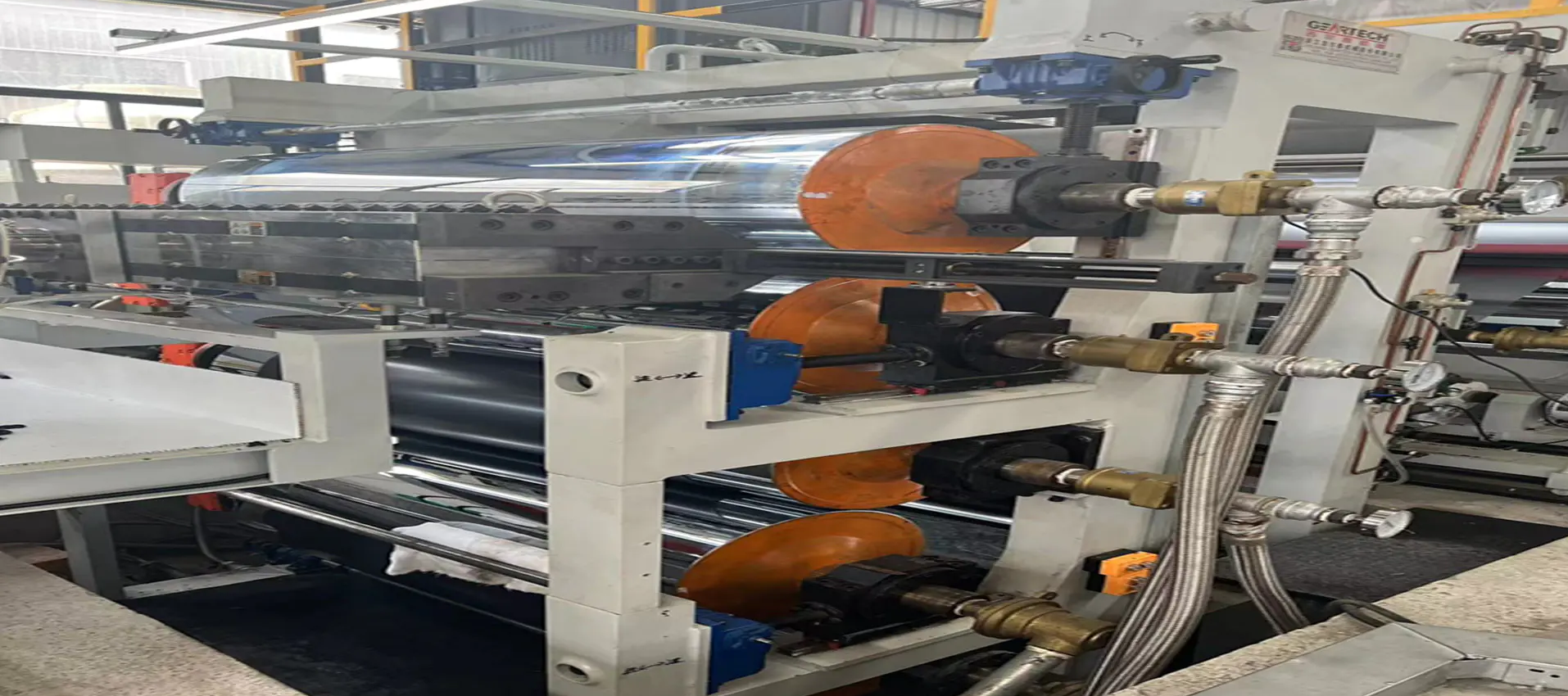
In aluminum composite panel manufacturing, production efficiency depends on how well different processing stages work together. Material preparation, core extrusion, lamination, cooling, and cutting all influence the overall workflow. When these operations are properly coordinated, manufacturers can reduce unnecessary material handling and organize production more effectively. Aluminum Composite Panel Equipment provides an integrated approach to managing these manufacturing activities.
The Importance of a Connected Production Process
A production line connects individual machines so that materials can move from one processing stage to another in an organized sequence. Without proper coordination, workers may need to transfer materials manually, wait for equipment availability, or adjust production schedules around separate operations.
An integrated ACP production line helps reduce these interruptions. Aluminum coils can enter the processing section, pass through the relevant treatment and bonding stages, and continue toward cooling and cutting. This arrangement supports a more consistent workflow and makes production management easier.
Material Feeding and Processing Coordination
Material feeding is an important factor in continuous manufacturing. Aluminum coils and core materials need to enter the production process at an appropriate rate. If feeding conditions are unstable, the line may experience material misalignment, uneven bonding, or unexpected stops.
Manufacturers should pay attention to the coordination between unwinding systems, extrusion equipment, and lamination sections. The operating parameters of these units need to match the selected material specifications and finished panel requirements.
Managing Temperature and Lamination Conditions
During ACP production, the bonding process requires suitable temperature and pressure conditions. These factors influence how the aluminum sheets connect with the core material. Operators need to monitor processing conditions and adjust them according to the material being used.
Cooling is another necessary stage. After lamination, panels need to pass through the relevant cooling process before further finishing. Proper handling during this stage helps maintain panel shape and supports subsequent trimming and cutting operations.
Reducing Production Interruptions Through Maintenance
Equipment maintenance should be part of the factory's daily production plan. Rollers, feeding components, heating systems, and cutting units require regular inspection. Operators should also check for unusual vibration, abnormal noise, material buildup, and changes in processing performance.
A planned maintenance schedule allows factory managers to arrange inspections during suitable production periods. Keeping commonly used spare parts available can also reduce waiting time when replacement is necessary.
Building a Practical Manufacturing System
Improving production efficiency does not depend on speed alone. It also involves material utilization, equipment coordination, operator experience, and production planning. Manufacturers should evaluate these elements together when investing in Aluminum Composite Panel Equipment.
A properly configured ACP production line can help factories manage different panel specifications and respond to changing orders while maintaining an organized manufacturing process.
Product Information: https://www.coating-line.com/product/acp-production-line.html
 Spanish
 English
 Arabic
 French
 Portuguese
 Deutsch
 Turkish
 Dutch
 Italiano
 Russian
 Romaian
 Portuguese (Brazil)
 Greek
