
The Role of Grab Hire in Responsible Waste Management
Responsible waste management is an essential part of modern construction, renovation, landscaping, and property development. As construction projects continue to grow, so does the amount of waste they produce.
Materials such as soil, rubble, concrete, bricks, timber, and other unwanted debris must be collected and disposed of properly to protect the environment and maintain clean working conditions. Choosing the right waste management solution can make a significant difference in reducing environmental impact and improving project efficiency.
One effective solution is grab hire, which provides a convenient way to collect and transport large quantities of waste. Through professional collection services, businesses and homeowners can manage unwanted materials without unnecessary delays or complicated arrangements. Understanding the role of grab hire in responsible waste management helps project managers make better decisions about waste disposal, recycling, and environmental protection.
Understanding Grab Hire Services
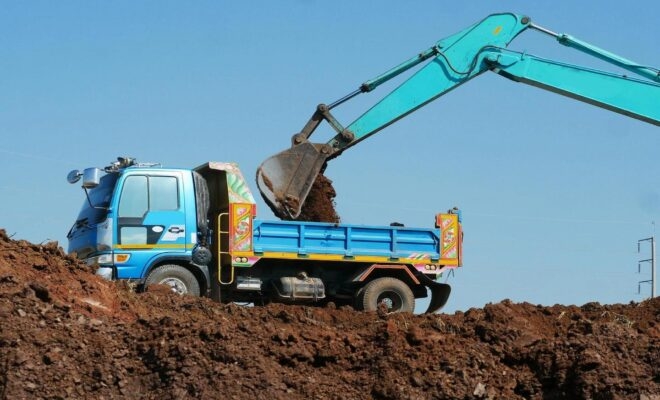
Grab hire is a waste collection service that uses specialised vehicles fitted with hydraulic grab arms. These mechanical arms allow operators to collect and load materials directly into the vehicle without requiring extensive manual labour.
Grab lorries are commonly used on construction sites, residential properties, landscaping projects, and commercial developments. They can collect different types of waste, including soil, hardcore, concrete, bricks, stones, and general construction materials.
The main advantage of this service is its ability to handle substantial amounts of waste quickly. Instead of relying on multiple small vehicles or manually loading materials into skips, a grab lorry can remove large quantities in a single visit, depending on the load and vehicle capacity.
Reducing Environmental Impact Through Proper Disposal
One of the most important responsibilities in waste management is ensuring that unwanted materials are handled and disposed of correctly. Improper waste disposal can contribute to land pollution, blocked drainage systems, and environmental damage.
Professional waste removal grab hire services help address these concerns by collecting waste from designated areas and transporting it to appropriate facilities. Materials can then be assessed, separated, recycled, or disposed of according to relevant regulations.
Responsible disposal reduces the likelihood of construction materials ending up in unauthorised locations. It also helps businesses maintain better control over their waste management processes.
By choosing professional collection services, construction companies and property owners can support environmentally responsible practices while keeping their sites organised.
Supporting Recycling and Material Recovery
Recycling plays a major role in sustainable construction and waste management. Many materials produced during building and renovation projects can be recovered and reused rather than sent directly to landfill.
For example, concrete and bricks can often be crushed and processed into recycled aggregates. Clean soil may be suitable for reuse in landscaping or other approved applications. Certain metals and timber materials can also be recovered through appropriate recycling channels.
Grab hire services support this process by transporting collected materials to suitable waste transfer and recycling facilities. This creates opportunities for valuable resources to remain in circulation.
Recycling also reduces demand for newly extracted raw materials, helping conserve natural resources and minimise the environmental impact associated with manufacturing and transportation.
Improving Construction Site Safety
A clean and organised construction site is essential for maintaining workplace safety. Unmanaged waste can create hazards for workers, visitors, and nearby members of the public.
Loose bricks, broken concrete, sharp materials, and piles of soil can obstruct walkways and increase the risk of accidents. Excessive debris may also restrict access for machinery and delivery vehicles.
Regular waste collection helps prevent these problems by removing unwanted materials before they accumulate. Professional grab lorry operators can collect waste from accessible areas, reducing the need for workers to handle heavy materials manually.
This contributes to a safer working environment and allows construction teams to concentrate on their main responsibilities.
Saving Time and Improving Project Efficiency
Construction projects usually operate according to carefully planned schedules. Delays caused by excessive waste accumulation can affect productivity and increase operational costs.
Grab hire provides an efficient solution because its mechanical loading system allows large quantities of materials to be collected relatively quickly. This reduces the time workers spend moving debris and arranging separate disposal trips.
Another advantage is the flexibility of collection. Businesses can arrange services according to project requirements, whether they need a one-time collection or regular waste removal throughout a development.
Efficient waste collection also creates more working space, making it easier for contractors to organise equipment, receive deliveries, and complete different stages of construction.
A Practical Alternative to Traditional Skip Hire
Skip hire is a familiar waste disposal option, but it may not always be suitable for every project. Skips require sufficient space for placement and can involve additional effort when loading heavy or bulky materials.
Grab hire offers an alternative by allowing vehicles to collect waste directly from accessible locations. The hydraulic arm can reach over walls, fences, and certain obstacles, depending on site conditions and vehicle positioning.
This can be particularly useful for properties with limited space or construction sites where placing a skip would interfere with daily activities.
For larger projects, grab lorries can also reduce the need for repeated manual loading. This makes waste collection more convenient and can help maintain a productive working environment.
Managing Different Types of Construction Waste
Different construction materials require different handling and disposal methods. Responsible waste management begins with identifying the materials being removed and ensuring they are transported to appropriate facilities.
Common materials collected through grab hire include:
- Soil and clay: Produced during excavation, foundation work, and landscaping.
- Concrete and rubble: Generated through demolition, renovation, and building activities.
- Bricks and blocks: Commonly removed during structural alterations.
- Hardcore and aggregates: Often left over from groundwork and construction preparation.
- Green waste: May include suitable garden materials from landscaping projects.
Separating materials where practical can improve recycling opportunities and support more efficient disposal. Contractors should also confirm which waste types their chosen provider accepts before arranging collection.
Encouraging Responsible Business Practices
Environmental responsibility is increasingly important for construction companies and property developers. Clients, communities, and regulatory bodies expect businesses to demonstrate that they manage waste appropriately.
Using professional waste collection services can help organisations establish more structured waste management procedures. Companies can plan collections, reduce unnecessary material accumulation, and work with suitable recycling facilities.
Maintaining accurate waste transfer documentation is also important where required. These records help businesses demonstrate that waste has been transferred and handled through appropriate channels.
Responsible waste management can strengthen a company's reputation while supporting wider environmental sustainability goals.
Choosing a Reliable Grab Hire Provider
Selecting an experienced waste collection provider is an important part of managing construction waste responsibly. Not all providers offer the same services, vehicle capacities, or disposal arrangements.
Before booking, customers should consider the provider's experience, service coverage, vehicle suitability, and approach to recycling. It is also useful to ask where collected materials are taken and whether appropriate waste documentation is provided.
A reliable company should understand the requirements of different projects and offer practical guidance about collection arrangements.
Customers should also ensure that the provider holds the necessary permissions and follows applicable waste management regulations.
How MLJ Grab Hire Supports Responsible Waste Management
MLJ Grab Hire (mljgrabhire) provides services designed to help customers manage construction and excavation waste more efficiently. Professional grab hire and muck away solutions can support building contractors, landscapers, property developers, and homeowners who need reliable waste collection.
By helping remove unwanted materials from project sites, the company contributes to cleaner working environments and more organised construction activities. Choosing an experienced provider such as MLJ Grab Hire can make waste management easier while helping customers arrange suitable collection and disposal solutions for their individual project requirements.
Conclusion
Responsible waste management is essential for protecting the environment, improving workplace safety, and maintaining efficient construction operations. Grab hire services offer a practical way to collect and transport large quantities of unwanted materials while supporting recycling and appropriate disposal practices.
From reducing site clutter to improving productivity and encouraging material recovery, professional waste collection provides several benefits for construction companies and homeowners. By choosing a reliable provider, planning collections carefully, and prioritising responsible disposal, businesses can make meaningful progress towards more sustainable waste management practices.
Ultimately, effective waste management is not simply about removing unwanted materials. It is about handling resources responsibly, reducing environmental impact, and creating cleaner, safer spaces for future development.

 English
 Arabic
 French
 Spanish
 Portuguese
 Deutsch
 Turkish
 Dutch
 Italiano
 Russian
 Portuguese (Brazil)
 Greek
