
Adjusting Electrode Layout to Fit Rehabilitation Needs
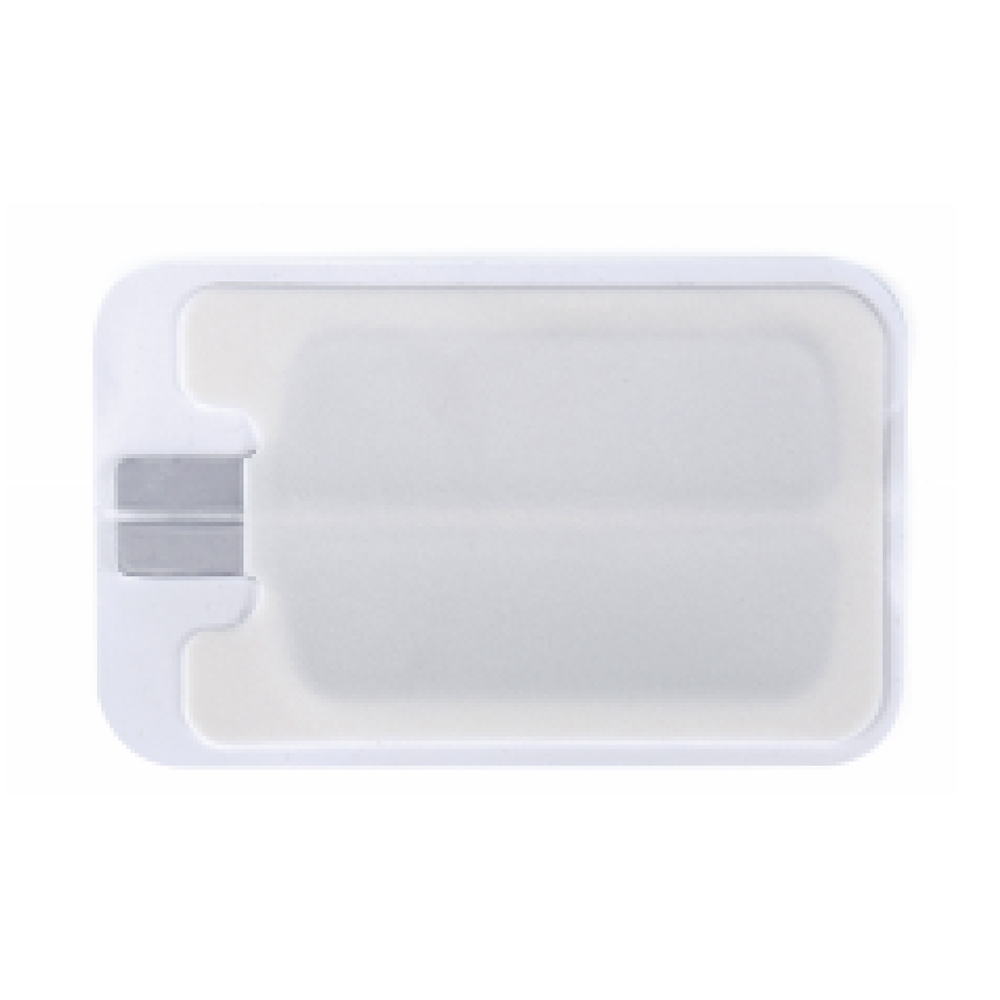
Custom development for a physical therapy electrode begins with discussions on intended therapy types and target body regions. Buyers may request changes to shape, conductive area size, adhesive strength or connector style. Engineering teams evaluate these requests against material characteristics and production feasibility. They suggest tweaks that can improve contact stability or simplify removal after treatment, without interfering with consistent signal flow.
Prototype samples are produced for hands-on evaluation. Testers assess flexibility, how well the gel sticks during motion, and whether the electrode peels away cleanly. Feedback helps adjust gel tack, so it holds firmly during therapy yet avoids pulling sensitive skin. Once samples pass verification, production parameters are fixed, and material sourcing is scheduled to meet the agreed delivery schedule.
During bulk manufacturing, testing instruments are calibrated regularly to keep electrical performance consistent across batches. Sorting stations separate items with uneven gel coverage, misaligned connectors or torn backing layers. A physical therapy electrode can also be arranged for private label packaging, with blank surface space reserved for customer branding. This flexible workflow suits small specialized orders for rehabilitation centers and continuous bulk supply for medical distributors, helping match electrode products to diverse electrotherapy equipment and rehabilitation plans.
 English
 Arabic
 French
 Spanish
 Portuguese
 Deutsch
 Turkish
 Dutch
 Italiano
 Russian
 Romaian
 Portuguese (Brazil)
 Greek
