
How Best Plastic Surgeon in dubai Explains the Importance
Understanding Chemical Peel Treatment in Dubai and the Role of Medical History
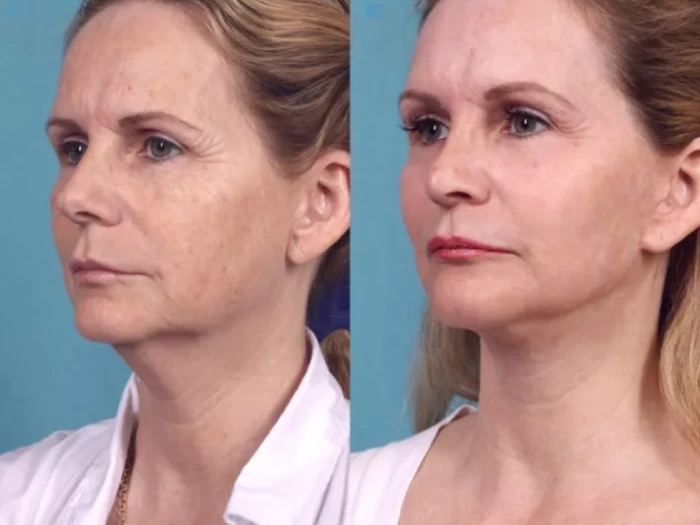
Chemical Peel Treatment in Dubai is commonly considered by people who want to improve dullness, uneven skin tone, rough texture, and certain acne marks. Different types of chemical solutions are used depending on the skin concern and the depth of exfoliation required.
However, the same treatment may not be suitable for everyone. A person's medical history provides useful information about existing health conditions that could affect the skin's response.
For example, someone with sensitive skin may experience more irritation than someone with a healthy skin barrier. Similarly, certain medications can increase skin sensitivity and make chemical exfoliation more complicated.
Important medical details to consider include:
-
Previous skin conditions.
-
History of allergies.
-
Current medications.
-
Previous cosmetic treatments.
-
History of cold sores.
-
Wound-healing problems.
-
Previous reactions to chemical products.
-
Existing medical conditions.
Sharing this information before treatment helps identify concerns that may require additional precautions or a delay in treatment.
Why Chemical Peel in Dubai Requires a Complete Health History
Chemical Peel in Dubai is a skincare option that requires careful consideration of individual health and skin conditions. Although chemical exfoliation mainly affects the skin's surface, the body's overall health can influence the healing process.
A complete health history helps identify factors that could increase the possibility of unwanted reactions.
For example, people with certain inflammatory skin conditions may experience increased redness and discomfort after exfoliation. Individuals taking medications that affect skin renewal may also require special preparation.
Medical history is important because it helps establish:
-
Whether the skin is suitable for exfoliation.
-
Whether existing health conditions require precautions.
-
Whether certain medications may affect recovery.
-
Whether previous allergic reactions need consideration.
-
Whether additional preparation is necessary.
-
Whether treatment should be postponed.
Providing accurate information is a simple but important step toward making informed skincare decisions.
Chemical Peel Treatment Clinic in Dubai: Why Medical Background Should Never Be Ignored
When researching a Chemical Peel Treatment Clinic in dubai, people often focus on treatment benefits, expected results, and skin improvements. However, understanding personal medical history is equally important.
Every individual has a different health background. Some people may have experienced allergic reactions to skincare ingredients, while others may have conditions that affect skin sensitivity or healing.
A medical background should include information about:
Previous Skin Allergies: Allergic reactions to cosmetic products, fragrances, preservatives, or chemical ingredients should be discussed before treatment.
History of Skin Infections: Previous or active infections, including cold sores, can influence treatment suitability.
Chronic Skin Conditions: Conditions such as eczema, psoriasis, rosacea, and dermatitis may increase the risk of irritation.
Previous Cosmetic Procedures: Laser treatments, dermabrasion, waxing, and earlier chemical peels may affect skin recovery.
Healing Problems: A history of delayed wound healing or unusual scarring may require additional consideration.
Ignoring these details can make it more difficult to identify possible treatment risks. Accurate information supports better preparation and more responsible decisions.
Best Aesthetic Clinic in Dubai: Understanding the Importance of Personal Health Assessment
The keyword Best Aesthetic Clinic in dubai is commonly used by people researching cosmetic skincare options. However, before considering any skin treatment, understanding personal health and skin condition should be a priority.
A personal health assessment helps identify factors that may influence the skin's response to chemical exfoliation.
For example, someone with a history of severe acne may have different treatment requirements compared with someone who only experiences mild dullness.
A complete assessment should consider the following:
-
Natural skin type and sensitivity.
-
Existing skin conditions.
-
Previous allergic reactions.
-
Medication and supplement use.
-
History of pigmentation changes.
-
Previous cosmetic treatment experiences.
-
General health and healing ability.
This information helps determine whether a particular chemical peel is appropriate or whether another skincare approach may be more suitable.
The purpose of reviewing medical history is not to make treatment complicated. It is to understand individual needs and reduce avoidable risks.
Best Plastic Surgeon in Dubai: How Medical History Influences Chemical Peel Decisions
The keyword Best Plastic Surgeon in dubai is often associated with cosmetic treatment research. One important aspect of chemical peel suitability is understanding how a person's medical background can influence treatment decisions.
Chemical peels create controlled exfoliation, after which the skin begins its natural recovery process. Certain health conditions and medications may affect this process.
Some important factors include:
Diabetes: People with poorly controlled diabetes may experience delayed wound healing or an increased risk of infection. Their overall health and skin condition should be considered before treatment.
Immune System Problems: Certain immune-related conditions or medications that suppress immune activity may affect skin recovery and infection risk.
Blood-Clotting Conditions: Medical conditions or medications that affect bleeding and healing should be included in the health history.
History of Keloid Scarring: People who develop raised scars may require additional assessment before procedures that affect the skin.
Autoimmune Conditions: Some autoimmune conditions can affect skin health and inflammation. Individual circumstances should be considered before treatment.
These conditions do not automatically mean that chemical peels are impossible. However, they may require additional assessment, precautions, or postponement.
Celebrity Doctor in Dubai: Why Personal Health Matters More Than Beauty Trends
The term Celebrity Doctor in Dubai is often connected with popular beauty treatments and celebrity-inspired skincare routines. Chemical peels are frequently discussed because they can help improve certain skin concerns.
However, beauty trends should never replace personal health considerations.
A treatment that works well for one person may not be appropriate for someone with a different medical history. Skin sensitivity, medication use, allergies, and healing ability can all influence results.
Before following a popular skincare trend, individuals should remember:
-
Celebrity beauty routines are not suitable for everyone.
-
Personal medical conditions can affect treatment suitability.
-
Stronger chemical peels may carry additional risks.
-
Previous skin reactions should never be ignored.
-
Individual health should always come before appearance.
Understanding these points helps people make realistic and responsible skincare decisions.
Dr. Perfect Celebrity: How Medical History Helps Set Realistic Beauty Expectations
Dr. perfect celebrity is a keyword associated with celebrity-inspired beauty and cosmetic skincare searches. Many people become interested in chemical peels after seeing pictures of smooth, glowing, and even-toned skin.
However, medical history helps explain why results can vary from person to person.
Someone with a history of pigmentation problems may need a different approach compared with someone who has only mild surface roughness. Similarly, people with sensitive skin may require gentler treatment options.
Chemical peels may help improve:
-
Mild acne marks.
-
Uneven skin tone.
-
Dull skin appearance.
-
Rough skin texture.
-
Certain types of pigmentation.
-
Fine surface lines.
However, they cannot guarantee perfect skin. Results depend on the skin's original condition, the type of peel, and the individual's recovery process.
Understanding medical history helps establish realistic expectations and reduces the possibility of choosing an unsuitable treatment.
Perfect Doctors Clinic: What Medication Information Should Be Shared Before Chemical Peels
Perfect Doctors Clinic is a relevant keyword in cosmetic skincare searches. One important part of reviewing medical history is providing complete information about current and recently used medications.
Certain medications can increase skin dryness, sensitivity, or irritation. Others may influence healing and the body's response to skin procedures.
Medication information that should be discussed includes:
Retinoid Medications: Prescription retinoids and some retinol products can increase skin sensitivity and peeling.
Acne Medications: Certain acne medications can cause dryness and affect the skin's tolerance to exfoliation.
Antibiotics: Some antibiotics may increase sensitivity to sunlight, which is important when considering chemical peels.
Steroids: Certain steroid medications can affect skin thickness and healing, depending on their use and duration.
Immunosuppressive Medications: These medications may affect the body's ability to respond to infections and recover from skin procedures.
Blood-Thinning Medications: These should also be included in the medical history, as they may influence overall procedural considerations.
People should never stop or change prescribed medication independently. Any adjustments should only be made with appropriate medical guidance.
How Previous Allergies Can Affect Chemical Peel Treatment Suitability
Allergy history is another important part of medical assessment before chemical exfoliation. Some people experience allergic reactions to cosmetic ingredients, preservatives, fragrances, or specific acids.
These reactions may include redness, itching, swelling, burning, or rashes.
Before considering a chemical peel, it is important to mention:
-
Previous reactions to skincare products.
-
Known ingredient allergies.
-
History of contact dermatitis.
-
Reactions to cosmetic procedures.
-
Previous swelling or irritation after facial treatments.
A history of allergies does not always prevent someone from having a chemical peel. However, it may influence ingredient selection and the need for additional precautions.
A suitable patch test may be recommended in certain situations, although it cannot guarantee that a full treatment will not cause a reaction.
Previous Cosmetic Procedures and Their Importance in Medical History
Previous cosmetic treatments can affect how the skin responds to another procedure. This is why it is important to share details about earlier treatments before considering a chemical peel.
Some procedures that should be mentioned include:
Laser Treatments: Laser procedures may leave the skin temporarily sensitive and require sufficient recovery time.
Previous Chemical Peels: Earlier treatments can provide useful information about skin tolerance and previous reactions.
Microneedling: This procedure creates controlled micro-injuries, so the skin needs time to recover before additional exfoliation.
Dermabrasion: Previous resurfacing treatments may affect skin sensitivity and healing.
Waxing: Recent waxing can temporarily irritate the skin and increase sensitivity.
The timing of these treatments matters. Undergoing multiple procedures too close together may increase irritation and delay recovery.
How Existing Skin Conditions Can Influence Chemical Peel Safety
Medical history should also include current and previous skin conditions. Certain skin problems may make chemical exfoliation less suitable, especially when symptoms are active.
Eczema: Eczema can weaken the skin barrier and cause itching, dryness, and inflammation.
Rosacea: Rosacea-prone skin may react strongly to exfoliating ingredients and develop increased redness.
Psoriasis: Active psoriasis patches can be more sensitive and may require additional care.
Dermatitis: Inflamed skin may become more irritated following chemical exfoliation.
Active Acne: Severe inflammatory acne or infected lesions may require a different skincare approach.
If these conditions are active, treatment may need to be postponed until the skin is more stable.
Medical History and Skin Pigmentation: Understanding Possible Risks
Previous pigmentation problems should always be included in a medical history. Some people are more likely to develop dark marks after inflammation, irritation, or skin injury.
This condition is known as post-inflammatory hyperpigmentation.
People with a history of melasma, dark acne marks, or pigmentation changes after cosmetic procedures may require additional consideration.
Factors that should be discussed include:
-
Previous dark marks after acne.
-
History of melasma.
-
Pigmentation after sun exposure.
-
Uneven skin tone.
-
Previous pigmentation changes after cosmetic procedures.
The depth and type of chemical peel should be selected carefully because excessive irritation can sometimes worsen pigmentation.
Sun protection is also essential before and after treatment.
Important Questions to Discuss Before Choosing a Chemical Peel
Before considering a chemical peel, individuals should be prepared to share their health information and ask relevant questions.
Some useful questions include:
-
Is my current skin condition suitable for chemical exfoliation?
-
Can my existing medications affect treatment?
-
Do my previous allergies create additional risks?
-
How long should I wait after another cosmetic procedure?
-
What type of peel is appropriate for my skin?
-
What side effects should I expect?
-
How should I prepare my skin before treatment?
-
What precautions should I follow during recovery?
Getting clear answers helps people understand the treatment process and make informed decisions.
Conclusion: Why Medical History Is Essential Before Chemical Peels
Medical history is an important part of determining whether chemical peel treatment is suitable. Previous skin conditions, allergies, medications, chronic illnesses, and cosmetic procedures can all influence how the skin responds to exfoliation.
Sharing accurate health information helps identify possible risks, supports appropriate treatment selection, and reduces avoidable complications. It also helps establish realistic expectations about results and recovery.
Chemical peels may improve dullness, uneven skin tone, rough texture, and certain acne marks, but they are not suitable for everyone. People with active infections, severe irritation, healing problems, or certain medical conditions may need additional assessment or should postpone treatment.
The most important thing is to prioritize skin health and personal safety. A complete understanding of medical history, proper preparation, and appropriate professional guidance can help individuals make more informed decisions before considering a chemical peel.

 English
 Arabic
 French
 Spanish
 Portuguese
 Deutsch
 Turkish
 Dutch
 Italiano
 Romaian
 Portuguese (Brazil)
 Greek
