
Structure Customization Options for Custom Injection Mold
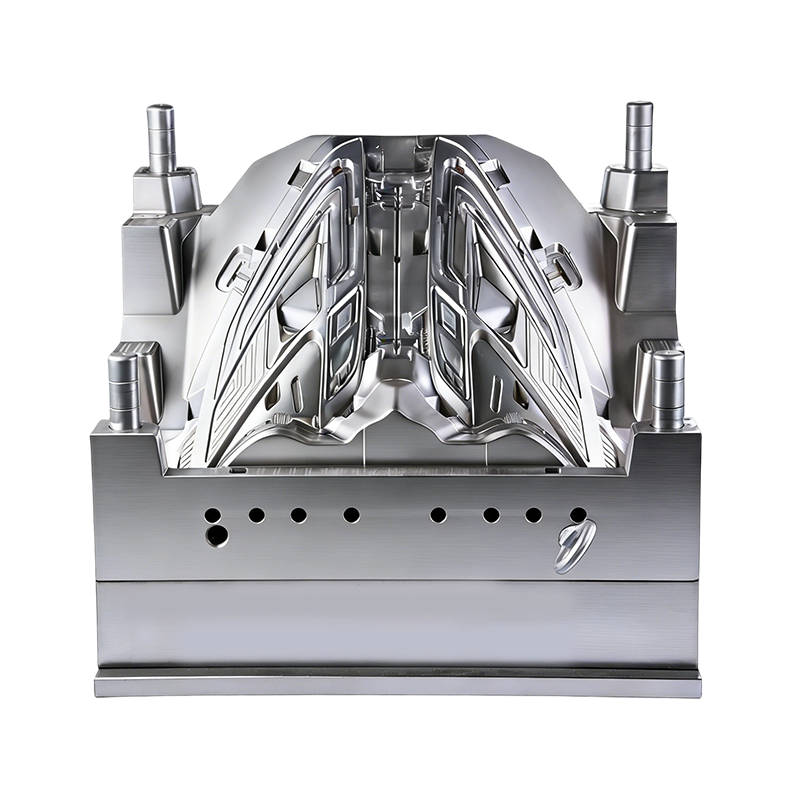
Development of a custom injection mold starts with technical communication between the mold team and product owner. Buyers share 3D files, material requirements, tolerance rules and target application scenarios. They may ask for multi-cavity layouts, quick-change inserts, special venting designs or colour-matching control. The engineering team carries out DFM evaluation, pointing out features that may bring molding difficulty and offering feasible adjustments to balance part function and mold manufacturability.
A test mold or single-cavity prototype mold can be fabricated first for verification. Trial samples are sent to customers for assembly testing and appearance review. Feedback may trigger revisions to draft angles, gate positions, insert shapes or cooling paths. Every change is recorded and updated in the mold drawing set. When the sample performance reaches the agreed standard, all processing parameters and inspection criteria are locked, and formal machining starts.
During production of the formal custom injection mold, all processing machines are calibrated to keep consistent precision. Final inspection checks parting line alignment, ejection balance and surface quality. The mold maker can mark customer identification on the mold frame and prepare spare wearing components for later maintenance. This flexible development model fits new product launches, small-batch special items and long-term mass production projects.

 English
 Arabic
 French
 Spanish
 Portuguese
 Deutsch
 Turkish
 Dutch
 Italiano
 Russian
 Portuguese (Brazil)
 Greek
