
Consumer Packaged Goods Market Trends Transforming Retail and Brands
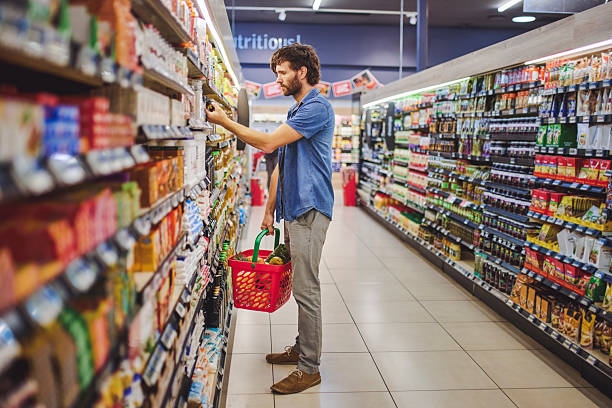
Consumer Packaged Goods Market is experiencing considerable transformation as consumers increasingly prioritize convenience, product quality, affordability, and accessibility in their everyday purchases. Products such as packaged foods, beverages, personal care items, household cleaning products, and other frequently purchased essentials remain important components of modern consumer lifestyles. Changing shopping habits, expanding retail networks, and growing digital commerce adoption are encouraging manufacturers to rethink their business strategies. Companies are increasingly investing in product innovation, packaging improvements, and customer-focused marketing to strengthen their market positions. As competition intensifies, brands are exploring new approaches to maintain customer loyalty while responding to evolving expectations across different consumer groups.
The growing importance of consumer preferences is encouraging manufacturers to study everyday consumer goods industry trends and identify emerging opportunities across product categories. Consumers are becoming more selective about ingredients, packaging materials, product benefits, and brand transparency. This shift is motivating companies to introduce products that align with convenience-oriented lifestyles and changing household requirements. Manufacturers are also using customer feedback, purchasing patterns, and digital engagement to understand market demand more effectively. By recognizing these developments, businesses can improve their product portfolios and develop stronger relationships with consumers across traditional retail stores and online shopping platforms.
Digital transformation is becoming an important factor influencing the competitive environment. Online marketplaces, grocery delivery applications, and direct-to-consumer platforms have changed how customers discover and purchase packaged products. Consumers increasingly expect convenient product comparisons, detailed descriptions, transparent pricing, and reliable delivery services. In response, companies are strengthening their digital marketing strategies and improving their online distribution capabilities. Retailers are also using data analytics to understand purchasing behavior and manage inventory more efficiently. These developments are creating additional opportunities for established manufacturers as well as emerging brands seeking to expand their reach through digital channels.
Packaging innovation is another important development shaping the industry. Manufacturers are exploring recyclable materials, lightweight packaging, reusable containers, and designs that improve product protection. Environmental awareness is influencing purchasing decisions, particularly among consumers who consider sustainability when selecting everyday products. Companies are therefore examining their packaging operations to reduce unnecessary material usage and improve resource efficiency. At the same time, packaging must maintain convenience, product freshness, safety, and shelf appeal. Balancing these requirements is encouraging investment in innovative packaging solutions that support both consumer expectations and operational objectives across multiple product categories.
Brand differentiation has become increasingly important as consumers encounter a wide selection of competing products. Companies are using product positioning, promotional campaigns, attractive packaging, and improved customer experiences to distinguish themselves in crowded retail environments. Private-label products are also creating competitive pressure by offering consumers alternative purchasing options. Manufacturers are responding through quality improvements, distinctive product formulations, and stronger brand communication. Social media platforms and influencer partnerships are providing additional opportunities to introduce products and communicate brand values. Businesses that understand their target audiences can create more relevant marketing campaigns and encourage repeat purchases.
Distribution strategies are evolving alongside changes in consumer purchasing behavior. Supermarkets, convenience stores, hypermarkets, specialty retailers, and online marketplaces continue to play important roles in product availability. Manufacturers are working with distribution partners to improve supply chain coordination and maintain consistent product availability. Advanced inventory management systems can help businesses respond to fluctuations in demand while minimizing operational inefficiencies. Companies are also exploring regional distribution opportunities to reach underserved consumer segments. Effective logistics, reliable transportation, and strong retailer relationships remain essential for maintaining product accessibility and supporting long-term business development.
Looking ahead, innovation, sustainability, digital retail, and changing household preferences are expected to remain influential factors. Companies are increasingly evaluating opportunities in premium products, convenient consumption formats, specialized personal care offerings, and environmentally conscious packaging. Artificial intelligence and predictive analytics may further improve demand forecasting, product development, and inventory planning. However, businesses must also address challenges associated with manufacturing costs, competitive pricing, regulatory requirements, and supply chain disruptions. Manufacturers that combine operational efficiency with consumer-focused innovation will be better positioned to respond to changing market conditions and maintain competitiveness.
The evolving industry environment presents opportunities for established manufacturers, emerging brands, retailers, and packaging companies. Success will depend on understanding consumer expectations, strengthening distribution networks, and delivering consistent product quality. Businesses that invest in research, digital capabilities, sustainable practices, and effective branding can improve their ability to compete in an increasingly dynamic marketplace. As purchasing habits continue to change, the industry will remain closely connected to everyday consumer needs. Companies that adapt their strategies while maintaining affordability, convenience, and trust can establish stronger customer relationships and support sustainable business development.
FAQs
What products are included in the Consumer Packaged Goods Market?
It includes packaged food, beverages, personal care products, household cleaning supplies, and other everyday consumer essentials.
How is e-commerce influencing the industry?
E-commerce improves product accessibility, purchasing convenience, and direct engagement between brands and consumers.
Why is sustainable packaging important?
It helps reduce packaging waste and supports environmentally conscious consumer preferences.
 Turkish
 English
 Arabic
 French
 Spanish
 Portuguese
 Deutsch
 Dutch
 Italiano
 Russian
 Romaian
 Portuguese (Brazil)
 Greek
