
Swimming Lessons Singapore: A Guide for Every Age and Level
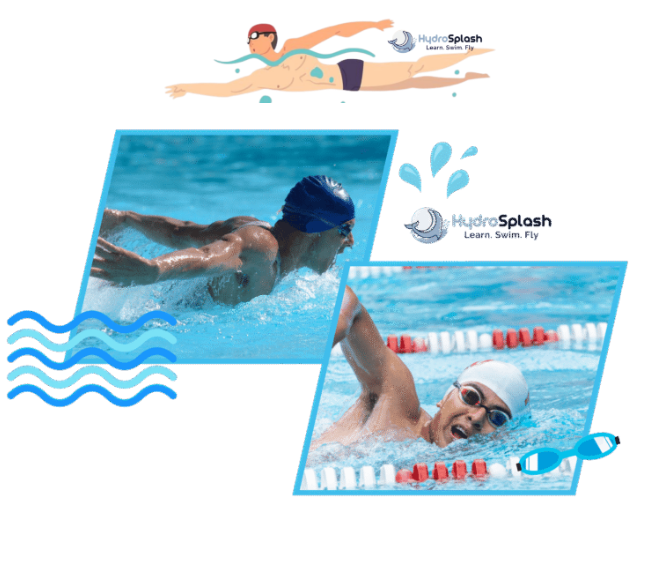
Swimming Lessons Singapore: Build Water Confidence at Every Age
Swimming is a valuable life skill that supports physical fitness, water confidence and personal well-being. Whether someone is learning to swim for the first time, helping a child become comfortable in the water or improving existing swimming techniques, the right instruction can make the learning process more structured and enjoyable.
Finding suitable Swimming Lessons Singapore residents can fit into their daily routines involves considering several factors, including age, experience, personal goals, lesson format and training location. With options for different abilities and learning preferences, swimmers can work towards their goals at a pace that feels manageable.
Why Learning to Swim Is Important
Swimming offers benefits beyond exercise. It encourages coordination, builds physical endurance and helps people become more familiar with movement in water.
For beginners, lessons provide an opportunity to practise essential skills under appropriate supervision. These may include breathing techniques, floating, body positioning and basic movement through the water.
Regular swimming instruction can also help learners develop:
- Greater comfort and confidence in the water.
- Improved coordination and body control.
- Better understanding of basic water safety.
- A foundation for learning different swimming strokes.
- A consistent physical activity suitable for various age groups.
Although swimming skills develop differently for everyone, patient instruction and regular practice can support steady progress.
Different Types of Swimming Lessons in Singapore
Every swimmer has different needs. Selecting a lesson format that matches the learner's age, confidence and objectives can make training more effective.
1. Adult Swimming Lessons
Adults who have never learned to swim may feel hesitant about entering deeper water or practising in front of others. Beginner-friendly instruction can help them approach these challenges gradually.
Adult lessons may focus on breathing control, floating, water balance and basic strokes before progressing to more advanced techniques. Adults who already swim can also work on improving endurance, efficiency and stroke coordination.
2. Kids Swimming Lessons
Children benefit from learning through age-appropriate instruction, repetition and encouragement. Early lessons may introduce water familiarity, floating, kicking and simple swimming movements.
Parents should look for instructors who prioritise supervision, explain activities clearly and adapt lessons to each child's development. Children should never be pressured to perform skills before they are ready.
3. Infant Swimming Lessons
Infant swimming sessions are designed around the needs of babies and their caregivers. Activities may introduce gentle water experiences in a controlled environment.
Parents should choose programmes appropriate for their baby's age and development, follow the instructor's guidance and maintain close supervision. Infant swimming lessons do not make babies independently safe around water or prevent drowning.
4. Private Swimming Lessons
Private swimming lessons offer individual attention and training tailored to a learner's specific needs. They can be helpful for people who prefer focused instruction, have particular learning challenges or want to concentrate on selected techniques.
An instructor can adjust the pace, provide individual feedback and modify exercises as the learner develops.
5. Group Swimming Lessons
Group sessions allow participants to learn alongside others with comparable abilities. They can create opportunities to practise skills, observe demonstrations and become comfortable swimming around other people.
When choosing group lessons, consider the group size, instructor supervision and whether the programme accommodates different learning speeds.
6. Ladies Swimming Lessons
Some women prefer women-focused swimming sessions because of personal comfort, privacy or cultural preferences. These lessons can provide a more suitable learning environment for participants who would otherwise feel reluctant to begin.
Before booking, confirm instructor arrangements, pool facilities and session availability.
What to Look for in a Swimming Programme
Choosing a suitable swimming programme involves more than comparing lesson prices. The quality of instruction and the suitability of the learning environment are equally important.
Consider the following factors:
- Qualified instruction: Ask about the instructor's relevant training, experience and approach to water safety.
- Personalised learning: Look for lessons that account for your current ability and goals.
- Convenient scheduling: Flexible timings can make it easier to maintain regular practice.
- Suitable pool facilities: Confirm that the pool is appropriate for the learner's age, confidence and lesson activities.
- Clear communication: The instructor should explain exercises, progress and areas that need more practice.
- Equipment availability: Check whether swimming aids and other necessary equipment are supplied or must be brought along.
A suitable programme should encourage consistent learning without making unrealistic promises about how quickly someone will master swimming.
How to Prepare for Your First Swimming Lesson
Preparing in advance can help make the first session more comfortable.
Bring suitable swimwear, a towel, drinking water and any personal items recommended by the instructor. If you have goggles or a swimming cap, ask whether they are appropriate for your lesson.
It is also useful to communicate your experience level, concerns and objectives before training begins. Someone who is afraid of water may need a different starting point from a learner who can already float and wants to improve their freestyle technique.
Most importantly, progress should be measured through skill development rather than comparison with other swimmers.
Personalised Swimming Training and Flexible Locations
Learners often have different schedules, preferred environments and training requirements. Personalised swimming training plans can help address these differences by focusing on relevant skills and setting realistic practice goals.
Flexible scheduling may suit working adults, schoolchildren and families with busy routines. Lessons at suitable private or public swimming pools can also make regular attendance more convenient.
HydroSplash Swimming Lessons offers options for adults, children, infants, ladies, beginners and other learners, with private and group formats, flexible training timings, booking assistance and swimming equipment provided. Anyone considering lessons should confirm the current programme details, available instructors and pool arrangements before making a booking.
For information about available sessions and suitable training options, visit https://adultswimminglessons.sg/ or contact HydroSplash Swimming Lessons at +65 9684 2263 or enquiries@adultswimminglessons.sg.
Learning to swim is a gradual process that benefits from patience, regular practice and appropriate supervision. With a suitable programme and realistic goals, swimmers of different ages can develop useful skills and become more comfortable in the water.
Frequently Asked Questions
1. Can adults learn to swim if they have never entered a swimming class?
Yes. Adults can begin with foundational skills such as water familiarisation, breathing, floating and basic movement. Progress depends on individual comfort, practice and instruction.
2. Are private swimming lessons better than group lessons?
Neither format is automatically better for everyone. Private lessons offer individual attention, while group lessons provide opportunities to learn alongside others. The right choice depends on personal preferences, learning needs and budget.
3. At what age can children start swimming lessons?
The appropriate starting age depends on the child's development and the programme offered. Parents should select age-appropriate sessions and confirm that instructors follow suitable supervision and safety practices.
4. How often should I attend swimming lessons?
The ideal frequency depends on your schedule, goals and ability to practise between sessions. Consistent lessons and safe, supervised practice can help reinforce techniques over time.
5. Do swimming lessons guarantee water safety?
No. Swimming lessons can help develop important skills, but no level of swimming ability guarantees safety. Adult supervision for children, barriers around pools and other appropriate water-safety measures remain essential.
 English
 Arabic
 French
 Spanish
 Portuguese
 Deutsch
 Turkish
 Dutch
 Italiano
 Russian
 Romaian
 Portuguese (Brazil)
 Greek
