
7 Approaches to Dyspraxia Treatment That Can Support Children’s Development
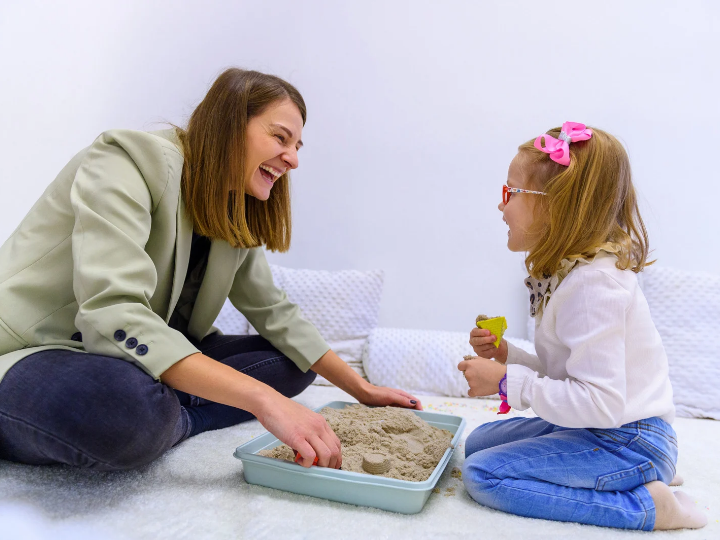
Children develop physical coordination, movement and everyday skills at different rates. However, some may experience ongoing difficulties with balance, planning movements and completing activities that require coordination. Understanding the available dyspraxia treatment approaches can help parents identify suitable support and encourage their child’s progress. With patience, regular practice and individualised guidance, children can gradually build confidence and improve their participation in everyday activities.
1. Develop Fine Motor Skills
Children experiencing coordination difficulties may find handwriting, drawing, buttoning clothes and handling small objects challenging.
Encourage Hands-On Activities
Parents can introduce activities such as:
-
Playing with building blocks.
-
Using child-friendly scissors.
-
Drawing and colouring pictures.
-
Completing simple puzzles.
-
Playing with modelling clay.
These activities provide opportunities to practise hand control and finger coordination through enjoyable experiences.
2. Practise Gross Motor Movements
Gross motor skills involve larger muscle groups used for walking, running, jumping and maintaining balance. Children with dyspraxia may find these movements difficult to coordinate.
Include Movement-Based Activities
Simple activities such as walking along a marked line, throwing and catching a soft ball, dancing and stepping over small obstacles can encourage movement control. Start with manageable activities and gradually introduce more challenging movements as the child becomes comfortable.
3. Establish Consistent Daily Routines
Children experiencing dyspraxia may need additional time to organise movements and complete everyday activities. Consistent routines can make familiar tasks easier to understand and practise.
Break Activities into Smaller Steps
Divide activities such as getting dressed, brushing teeth and packing school bags into simple instructions. Visual schedules and demonstrations can also help children remember the sequence of actions.
Allowing sufficient time to complete each activity can reduce frustration and encourage greater independence.
4. Use Play-Based Learning
Play offers children opportunities to explore movement, develop coordination and practise new skills without feeling pressured. Activities that involve physical interaction can make learning more engaging.
Introduce Creative Play
Consider activities such as:
-
Building towers with blocks.
-
Playing with shape-sorting toys.
-
Following simple dance movements.
-
Completing obstacle courses.
-
Playing with balloons and soft balls.
Choose activities according to the child’s abilities and gradually increase their complexity.
5. Support Handwriting and School Activities
Coordination difficulties can affect classroom participation, particularly when children need to write, draw, organise materials or complete practical tasks.
Make Learning More Accessible
Parents and educators can introduce pencil grips, suitable writing tools, worksheets with larger spaces and additional time for written activities. Allowing children to practise short handwriting tasks regularly may also help develop control and confidence.
Teachers can provide appropriate classroom adjustments based on the child’s individual requirements.
6. Encourage Balance and Body Awareness
Balance and body awareness help children understand how their bodies move through different environments. Difficulties in these areas may affect activities such as climbing stairs, navigating playgrounds and participating in sports.
Introduce Safe Physical Activities
Simple exercises involving stepping, reaching, balancing and changing direction can encourage better movement awareness. Activities should take place in safe environments with appropriate supervision.
Consistent encouragement can help children become more comfortable exploring different movements.
7. Seek Individualised Professional Support
Every child has different developmental strengths and challenges. Professional guidance can help families understand their child’s coordination difficulties and identify suitable developmental support.
Consider a Personalised Development Plan
Relevant professionals may recommend assessments and individualised activities targeting movement planning, fine motor coordination, balance and everyday independence.
Parents should share their observations about activities their child finds challenging. Regularly reviewing progress can also help ensure that support remains appropriate as the child develops.
Frequently Asked Questions
1. What is dyspraxia?
Dyspraxia affects coordination and motor planning. It can influence everyday activities involving movement and physical skills.
2. Can children improve their coordination with support?
Yes. Appropriate activities, regular practice and individualised support can help children develop coordination and become more confident with everyday tasks.
3. Does dyspraxia affect handwriting?
It can. Children may experience difficulties with pencil control, letter formation, writing speed and organising written work.
4. What activities can support children with dyspraxia?
Building blocks, puzzles, drawing, dancing, ball games and simple obstacle courses can provide opportunities to practise different motor skills.
5. When should parents seek professional guidance?
Parents should consider professional guidance when coordination difficulties consistently affect their child’s learning, play, self-care or everyday independence. An assessment can help identify appropriate support strategies.
 Spanish
 English
 Arabic
 French
 Portuguese
 Deutsch
 Turkish
 Dutch
 Italiano
 Russian
 Romaian
 Portuguese (Brazil)
 Greek
