
Practical Functional Features of Melamine Door Skin
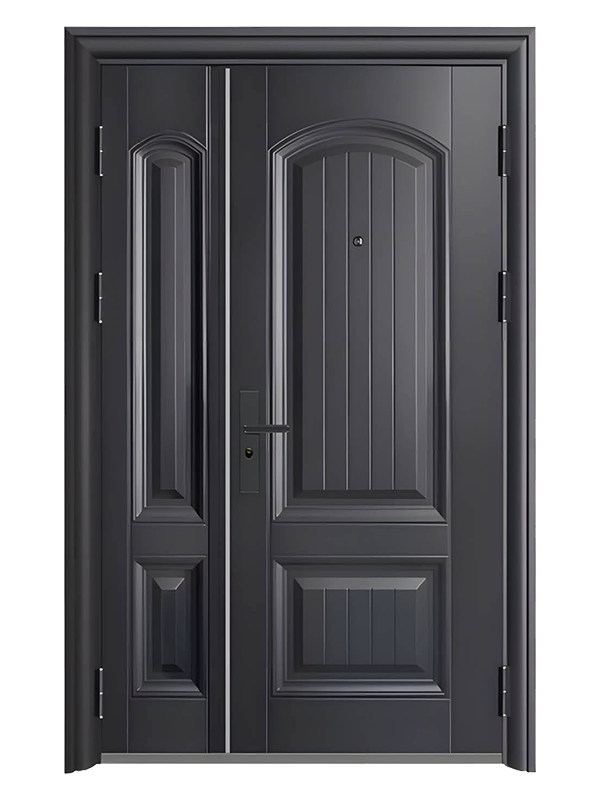
Melamine door skins from the Melamine Door Skin Manufacturer serve a wide range of interior construction demands. Door manufacturers bond these skins onto honeycomb, particleboard or solid cores to make ready-to-assemble door slabs. Residential renovation projects choose wood-grain or solid-colour melamine skins to create uniform interior styles. Large property developers place bulk orders to standardize door finishes across multi-unit buildings. Small door workshops stock popular patterns to shorten their production cycles and reduce painting workload.
These pre-laminated skins bring practical benefits for downstream producers. The cured melamine surface resists light scratches and simple liquid spills, making routine cleaning straightforward. A broad library of patterns, including wood grain, stone texture and plain solid tones, supports varied design plans. Buyers can select different thicknesses, embossed panel shapes and surface textures. Custom sizes and private label marking can be arranged for project-specific orders. Unlike primed skins, melamine door skins eliminate the need for topcoat painting after door assembly.
Consistent assembly results rely on careful material matching. The adhesive and door core should be compatible with the substrate to lower warping risk. When panels are cut on site, exposed edges need sealing to block moisture absorption. Abrasive scrubbers and strong chemical cleaners should be avoided, as they may damage the decorative surface. If blisters appear on the melamine layer after bonding, the panel should not be fitted into the finished door.

 English
 Arabic
 French
 Spanish
 Portuguese
 Deutsch
 Turkish
 Dutch
 Italiano
 Russian
 Romaian
 Portuguese (Brazil)
