
Practical Functional Features of Lithium Battery Cement Concrete Vibrator
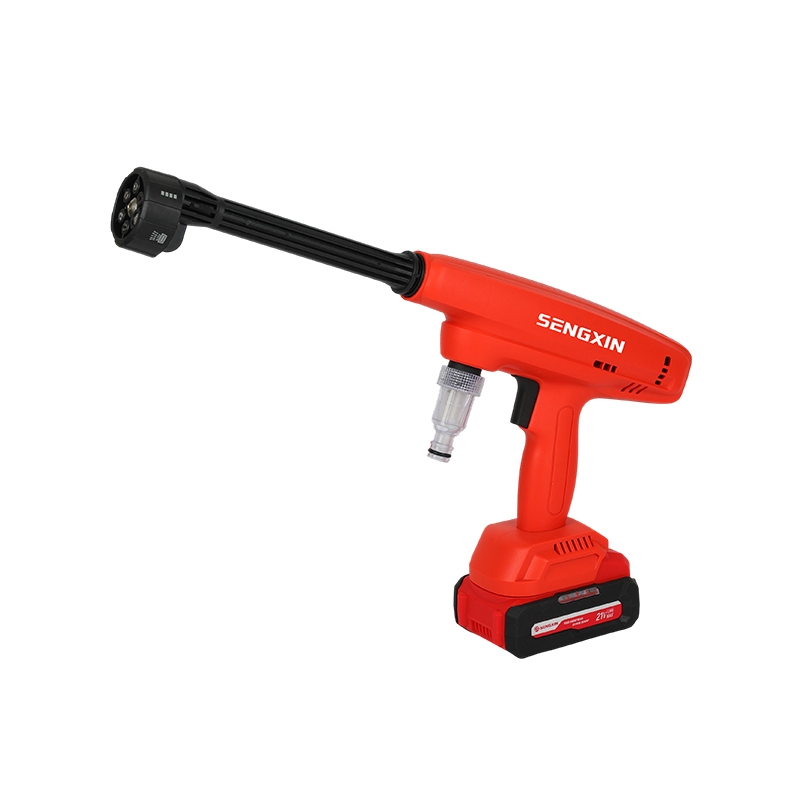
Lithium battery cement concrete vibrators fit many building and civil engineering projects. Small residential builders use compact handheld models for house foundations and floor slabs where power cords become trip hazards. Precast workshops adopt these cordless units to process batches of concrete blocks and wall panels in covered yards. Infrastructure teams carry lightweight vibrators to remote job sites without easy access to mains power. Narrow formwork and dense rebar zones also suit smaller vibrator head sizes that move freely between steel reinforcement.
These battery-powered tools bring practical flexibility for construction crews. Without trailing cables, operators can shift positions quickly across active pouring zones. The emission-free design allows safe work inside basements, tunnels and enclosed formwork spaces. Different shaft lengths, head diameters and battery capacities can be selected to match project requirements. Custom marking and tailored packaging can be arranged for bulk orders. Detachable batteries support quick swaps so pouring work can continue without long interruptions.
Consistent concrete quality depends on proper operating habits. Operators insert the vibrator vertically into fresh concrete and hold it long enough for air bubbles to rise, then pull it out slowly to avoid leaving voids. Avoid striking rebar or formwork repeatedly, as impact may deform the head or damage internal transmission parts. After finishing each pour, rinse cement residue from the shaft and vibrator head before the concrete hardens. If vibration weakens suddenly or the battery heats abnormally, stop work and inspect the tool.

 English
 French
 Spanish
 Portuguese
 Deutsch
 Turkish
 Dutch
 Italiano
 Russian
 Romaian
 Portuguese (Brazil)
 Greek
