
High-Output and Stable Release Advantages of Mould For Plastic Cup from the Factory
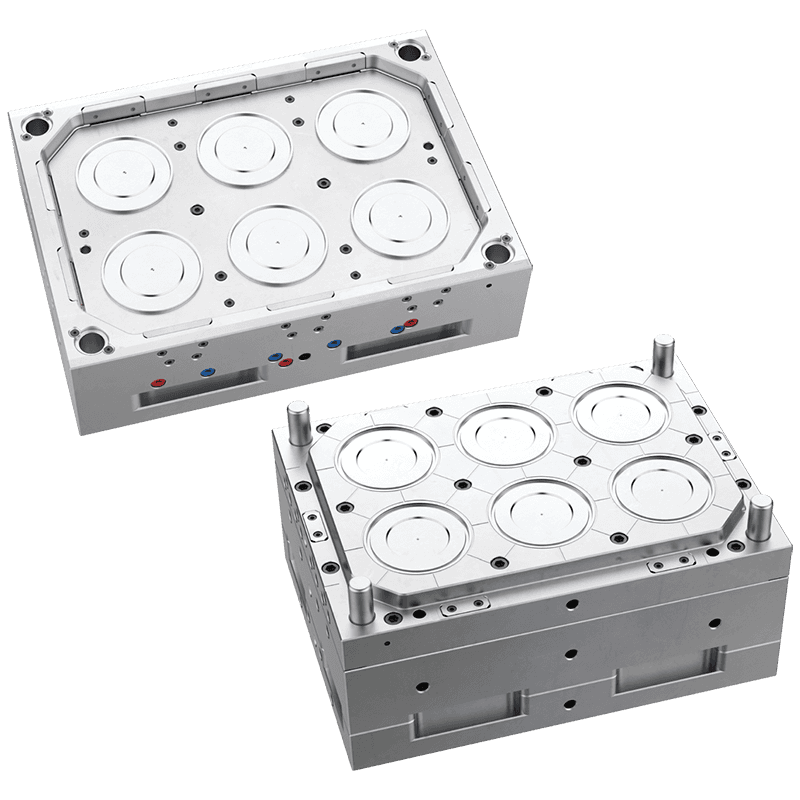
Moulds manufactured by a mould for plastic cup factory support diverse beverage packaging production lines. Large packaging factories deploy multi-cavity moulds to produce massive volumes of disposable plastic cups for catering chains and supermarkets. Beverage brand operators order custom moulds to make exclusive cup shapes that match their brand positioning. Smaller moulding workshops use standard cup moulds to launch flexible batch production for local events, picnic activities and seasonal beverage promotions. Some mould versions can also cooperate with IML automation, so brand patterns and product information form part of the cup surface directly during injection without extra labelling steps.
This category of mould brings practical operational benefits to moulding plants. The optimized runner and gate layout helps distribute molten plastic evenly and reduces material waste. Multi-cavity designs raise hourly output and improve the utilization rate of injection equipment. Buyers may choose different cavity counts, cup capacities, rim styles and hot runner configurations according to their machine tonnage and market demands. Custom engraving and private marking on the mould base can be arranged for long-term cooperative orders. The factory can also adjust the cup nesting angle, so finished cups stack compactly and lower the cost of warehousing and delivery.
Sustained stable production relies on proper coordination between the mould and injection equipment. Before formal mass production, technicians need to confirm the mould size fits the machine platen, check hot runner controller communication and ensure the PP or PET resin is fully dried to reduce bubble defects. During trial runs, adjust injection speed gradually to prevent gate burning and track the weight of each finished cup to identify subtle process drift in time. After each production campaign, workers clean vent grooves and cavity surfaces thoroughly, and apply anti-rust protection before storage. If filling imbalance, sticking or frequent flashing appears, operators should examine cooling settings and clamping pressure instead of making arbitrary modifications to the mould cavity.
 English
 Arabic
 French
 Spanish
 Portuguese
 Deutsch
 Turkish
 Dutch
 Italiano
 Russian
 Romaian
 Portuguese (Brazil)
 Greek
