
How Aircraft Cabin Comfort Is Influencing Seat Upholstery Innovation
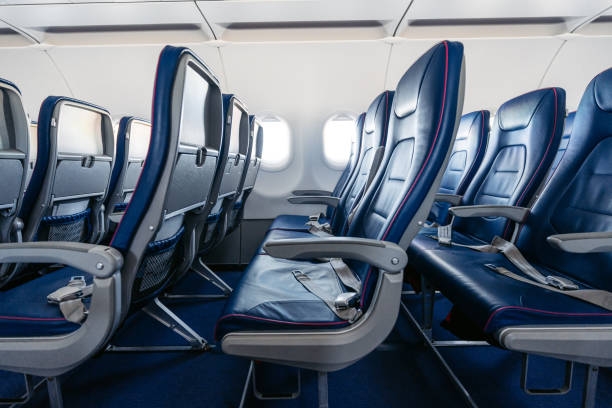
The aviation industry is undergoing a noticeable transformation as airlines increasingly focus on passenger comfort, cabin aesthetics, and operational efficiency. Aircraft seat upholstery has become a critical component in this shift, influencing both passenger experience and airline branding. Modern upholstery materials are now expected to deliver durability, lightweight performance, fire resistance, and visual appeal while supporting sustainability goals across the aviation sector.
As airlines continue expanding their fleets and upgrading cabin interiors, the demand for advanced seating materials is accelerating across both OEM and aftermarket channels. According to a recent aircraft seat upholstery industry analysis, the sector is projected to grow at a CAGR of around 8% during 2020–2025, supported by rising aircraft deliveries, growing passenger traffic, and increasing long-haul travel operations. North America currently represents a significant regional contributor, while Asia-Pacific is witnessing rapid momentum due to expanding aviation infrastructure.
Passenger Expectations Are Reshaping Cabin Interior Design
Passenger expectations have evolved considerably over the past decade. Travelers now evaluate airlines not only on ticket prices and routes but also on in-flight comfort and seating quality. Upholstery materials directly influence seating comfort, temperature control, and cabin aesthetics, making them an essential element of aircraft interior design.
Airlines are increasingly adopting premium fabrics, synthetic leather, and lightweight composite-backed materials to improve passenger satisfaction while reducing overall aircraft weight. The International Air Transport Association (IATA) has highlighted continued growth in global passenger demand, which is encouraging airlines to modernize fleets and improve on board experiences.
Lightweight Materials Supporting Fuel Efficiency Goals
Weight reduction remains one of the aviation industry's most important operational priorities. Even minor reductions in aircraft weight can significantly improve fuel efficiency and reduce operating costs over time. As a result, aircraft manufacturers and interior suppliers are focusing heavily on lightweight upholstery materials that maintain durability without compromising safety standards.
Advanced textile blends, synthetic leather alternatives, and engineered seat fabrics are increasingly being incorporated into cabin seating systems. These materials are designed to comply with strict aviation safety regulations while helping airlines lower fuel consumption and emissions. Organizations such as the International Civil Aviation Organization (ICAO) continue emphasizing sustainability initiatives across global aviation operations, influencing innovation in cabin materials and aircraft interiors.
The Shift Toward Sustainable Upholstery Solutions
Sustainability has become a major consideration for both aircraft manufacturers and airline operators. Upholstery suppliers are now developing recyclable fabrics, bio-based leather alternatives, and low-emission manufacturing techniques to align with environmental targets.
Several cabin interior manufacturers are investing in eco-friendly textile technologies that reduce chemical usage and improve material recyclability. Sustainable aviation strategies introduced by global aviation bodies are encouraging airlines to adopt greener cabin components alongside fuel-efficient aircraft systems. This transition is also creating new opportunities for upholstery manufacturers specializing in environmentally responsible materials.
Growth in Long-Haul Travel Increasing Demand for Premium Seating
The rise in international and long-distance travel is increasing the importance of premium seating categories such as business class and premium economy. Airlines are differentiating themselves through enhanced cabin comfort, ergonomic seating, and luxury interior finishes.
High-quality upholstery materials play a major role in improving passenger comfort during extended flights. Features such as moisture resistance, stain protection, antimicrobial coatings, and enhanced cushioning compatibility are becoming increasingly important for modern aircraft seats.
The growing preference for premium travel experiences has encouraged airlines to invest more heavily in cabin refurbishment programs. Upholstery replacement cycles are therefore becoming shorter, creating sustained demand within the aftermarket segment.
Regional Aviation Expansion Driving Industry Opportunities
Emerging economies are contributing significantly to aviation growth worldwide. Countries such as India and China are expanding airport infrastructure, increasing aircraft procurement, and strengthening domestic airline networks. These developments are generating substantial demand for aircraft interior components, including advanced upholstery systems.
Asia-Pacific is witnessing increased investments in both commercial and military aviation sectors. The region’s growing middle-class population and rising air travel demand are encouraging airlines to expand fleets with single-aisle aircraft, further supporting upholstery demand.
Meanwhile, North America continues to maintain a strong presence due to established aircraft manufacturing capabilities, large airline fleets, and continuous cabin modernization programs.
Technology Advancements Are Improving Upholstery Performance
Aircraft seat upholstery is no longer limited to visual appeal and comfort alone. Manufacturers are integrating advanced performance characteristics into modern materials to enhance durability and maintenance efficiency.
Innovations now include antimicrobial seat fabrics, smart textiles, enhanced flame-retardant coatings, and abrasion-resistant surfaces designed for high passenger turnover environments. These technologies help airlines reduce maintenance costs while maintaining hygiene and passenger safety standards.
Digital manufacturing techniques are also improving customization capabilities for airlines seeking distinctive cabin branding. Customized seat textures, colors, and stitching patterns are increasingly being used to strengthen airline identity and improve customer perception.
Competitive Landscape Reflects Specialized Expertise
The aircraft seat upholstery sector includes several specialized companies focused on textile engineering, cabin modification, and aerospace-certified material manufacturing. Key companies identified within the industry include Lantal Textiles AG, Franklin Products, ACC Interiors, Aircraft Cabin Modification GmbH, International Aero Services, Perrone Aerospace, J.H Nunn Associates, and Tritex Corporation. These companies continue investing in lightweight materials, advanced textile technologies, and aviation compliance capabilities to strengthen their market position.
Future Outlook for Aircraft Seat Upholstery
The future of aircraft seat upholstery is closely tied to broader aviation trends, including sustainability, fleet expansion, passenger comfort enhancement, and fuel efficiency optimization. As airlines continue modernizing cabin interiors and improving travel experiences, upholstery innovation is expected to remain an important area of focus across the aerospace industry.
Material advancements, increasing premium travel demand, and evolving environmental standards are likely to shape product development strategies over the coming years. With aviation traffic steadily recovering and aircraft production expanding globally, the aircraft seat upholstery industry is positioned to remain a vital segment within the broader aircraft interiors ecosystem.

 English
 Arabic
 French
 Spanish
 Deutsch
 Turkish
 Dutch
Dutch
 Italiano
 Russian
 Romaian
 Portuguese (Brazil)
 Greek
Greek
