
Tummy Tuck in Riyadh: Understanding the Surgical Procedure
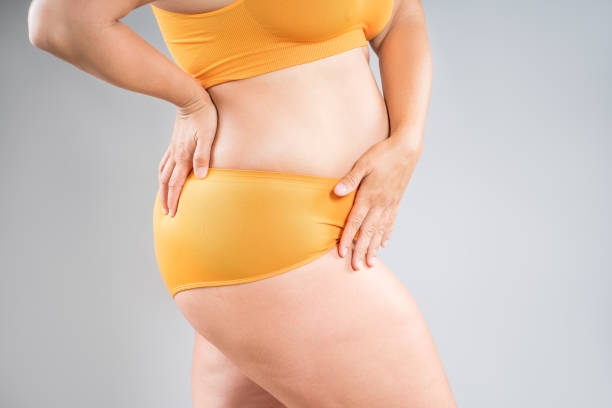
A tummy tuck, medically known as abdominoplasty, is a surgical body-contouring procedure designed to improve the appearance of the abdomen by removing excess skin and tightening weakened abdominal tissues when appropriate. It may be considered by people who experience loose abdominal skin after pregnancy, significant weight loss, or natural changes associated with aging.
For individuals considering tummy tuck in riyadh, understanding how the surgery is performed can make the consultation process easier and help establish realistic expectations. The procedure is personalized according to factors such as skin elasticity, abdominal muscle condition, body shape, previous surgeries, and overall health.
What Is a Tummy Tuck?
A tummy tuck focuses on improving abdominal contour rather than causing significant weight loss. During the procedure, excess skin is removed and the remaining tissue is repositioned to create a smoother appearance.
In suitable patients, the surgeon may also repair separated or weakened abdominal muscles. This can be particularly relevant for people who have experienced abdominal changes following pregnancy.
Why Is a Tummy Tuck Performed?
Loose abdominal skin may remain even after weight loss and regular exercise. Pregnancy can also stretch the skin and abdominal wall, while aging can gradually reduce skin firmness.
When these changes cannot be adequately improved through lifestyle measures alone, an abdominoplasty may be considered after a professional assessment.
How Does the Surgical Procedure Work?
The exact surgical approach depends on the patient's individual anatomy and treatment goals. A qualified surgeon evaluates the abdominal area before determining the most suitable technique.
Making the Abdominal Incision
The procedure generally begins with an incision across the lower abdomen. Its length and placement depend on how much excess skin needs to be removed and which surgical technique is selected.
The surgeon carefully plans the incision to position the resulting scar as discreetly as possible within the natural contours of the lower abdomen.
Removing Excess Skin
After making the incision, the surgeon separates the abdominal skin from the underlying tissues. The excess skin is then removed according to the treatment plan.
The remaining skin is repositioned to create a smoother and firmer abdominal appearance.
Tightening Abdominal Muscles
Some patients experience separation or weakening of the abdominal muscles. This can occur after pregnancy or significant stretching of the abdominal wall.
When appropriate, the surgeon may tighten the abdominal muscles as part of the procedure. Muscle repair is not required for every patient and depends on the individual's anatomy and surgical goals.
Repositioning the Belly Button
Because the abdominal skin is repositioned, the belly button may also need to be adjusted. The surgeon creates an opening in the newly positioned skin and places the navel in a location that maintains a natural-looking appearance.
What Happens During Recovery?
Recovery is an important part of the overall surgical process. Patients may experience swelling, bruising, tightness, and temporary discomfort during the initial healing period.
The surgeon may recommend compression garments, appropriate wound care, prescribed medications, and gentle movement. Heavy lifting and strenuous exercise are generally restricted until adequate healing has occurred.
For patients undergoing Tummy Tuck in Riyadh, following postoperative instructions carefully can support healing and help reduce the risk of avoidable complications.
When Will Results Become Visible?
The abdominal contour changes gradually as swelling decreases and tissues heal. Early results may be noticeable soon after surgery, but the final appearance can take longer to develop.
Regular follow-up appointments allow the surgical team to monitor recovery and make sure healing is progressing appropriately.
What Are the Benefits of a Tummy Tuck?
A tummy tuck may help address excess abdominal skin and improve the appearance of abdominal laxity. When muscle repair is appropriate, it can also restore greater firmness to the abdominal wall.
The procedure can be particularly helpful for people whose abdominal appearance has changed after pregnancy or significant weight loss and who have realistic expectations about what surgery can achieve.
Who May Be a Good Candidate?
Candidates are generally in good overall health, have a relatively stable weight, and understand the potential benefits and limitations of surgery. People with substantial loose abdominal skin or abdominal laxity may benefit from a consultation.
A surgeon should review the patient's medical history, medications, previous procedures, lifestyle factors, and future pregnancy plans before recommending surgery.
Is Tummy Tuck a Weight-Loss Treatment?
No. A tummy tuck is primarily a body-contouring procedure and should not be considered a substitute for weight-loss treatment.
Patients who are significantly above their desired or healthy weight may be advised to address weight management before surgery. Maintaining a stable weight afterward can also help support long-term results.
Choosing the Right Surgical Approach
Every patient has different abdominal characteristics, so there is no single technique suitable for everyone. A qualified surgeon considers skin quality, muscle condition, body proportions, previous scars, and aesthetic goals when creating an individualized treatment plan.
For Tummy Tuck in Riyadh, a detailed consultation with an experienced medical team can help you understand the surgical steps, recovery requirements, potential risks, and expected outcomes before making an informed decision.
Book an Appointment With Royal Clinic Saudia
If you are considering abdominal contouring, Royal Clinic Saudia can provide a professional consultation to assess your individual needs and determine whether a tummy tuck may be appropriate for you.
FAQs:
Is a tummy tuck a weight-loss procedure?
No. A tummy tuck is designed primarily to remove excess skin and improve abdominal contour. It does not replace a healthy weight-management plan.
Can a tummy tuck repair separated abdominal muscles?
When abdominal muscle separation is present and suitable for repair, the surgeon may tighten the abdominal wall during the procedure.
Will a tummy tuck remove all stretch marks?
Not necessarily. Stretch marks located on skin that is removed during surgery may be eliminated, while marks outside the excised area generally remain.
How long do tummy tuck results last?
Results can be long-lasting when a person maintains a stable weight and healthy lifestyle. However, pregnancy, significant weight changes, and natural aging can affect the abdominal contour over time.

 English
 Arabic
 French
 Spanish
 Portuguese
 Deutsch
 Turkish
 Dutch
Dutch
 Italiano
 Russian
 Romaian
 Portuguese (Brazil)
